If you are missing teeth and want an implant, you may not know whether you need one implant for each tooth or whether a bridge can do the job with fewer. The answer depends on how many teeth are gone and where they are, so here is a plain comparison.
In general, an implant-retained crown replaces a single missing tooth, and an implant-retained bridge replaces several teeth in a row. Both are anchored in the jawbone, so neither depends on your neighboring teeth.
What Is An Implant-Retained Crown?
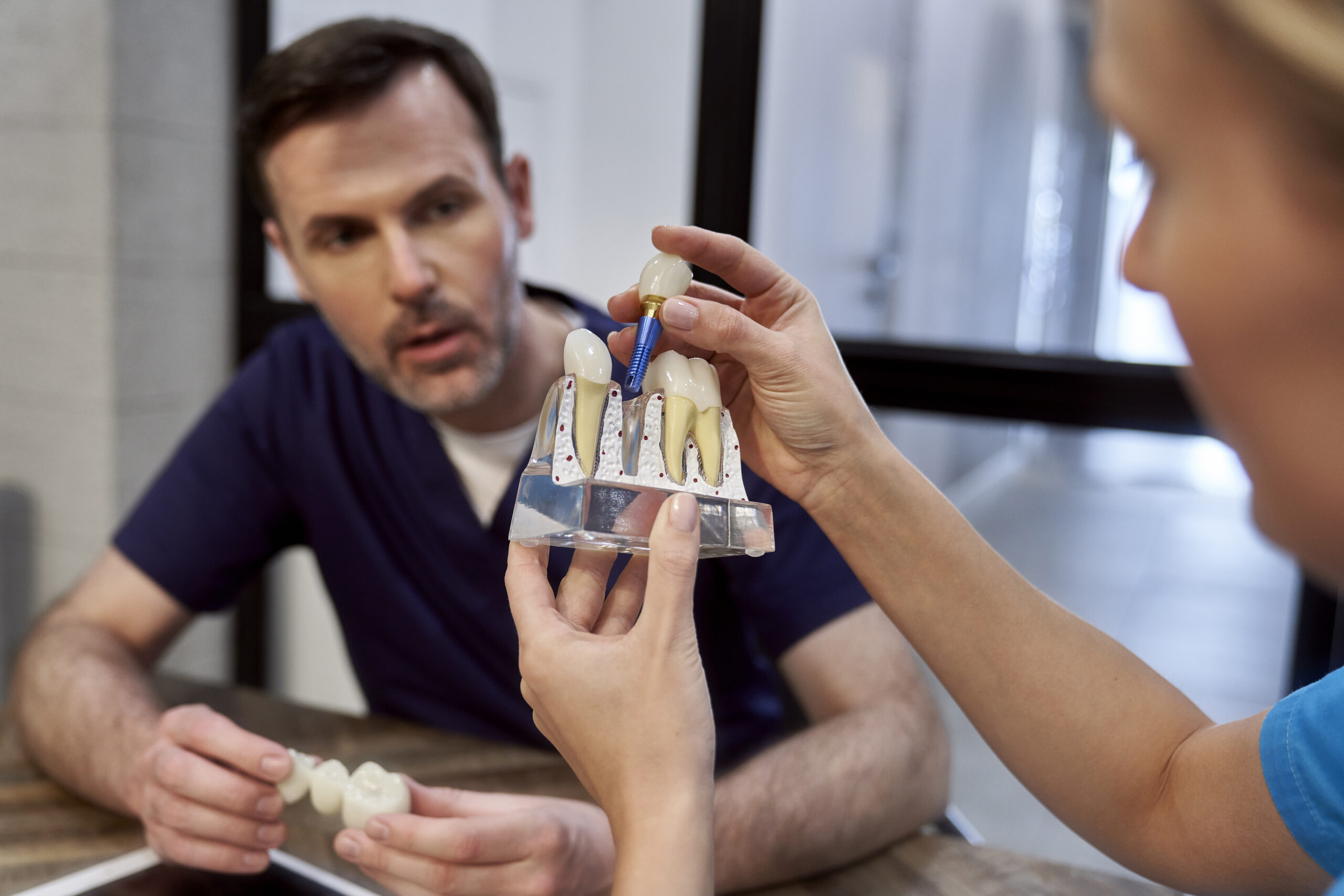
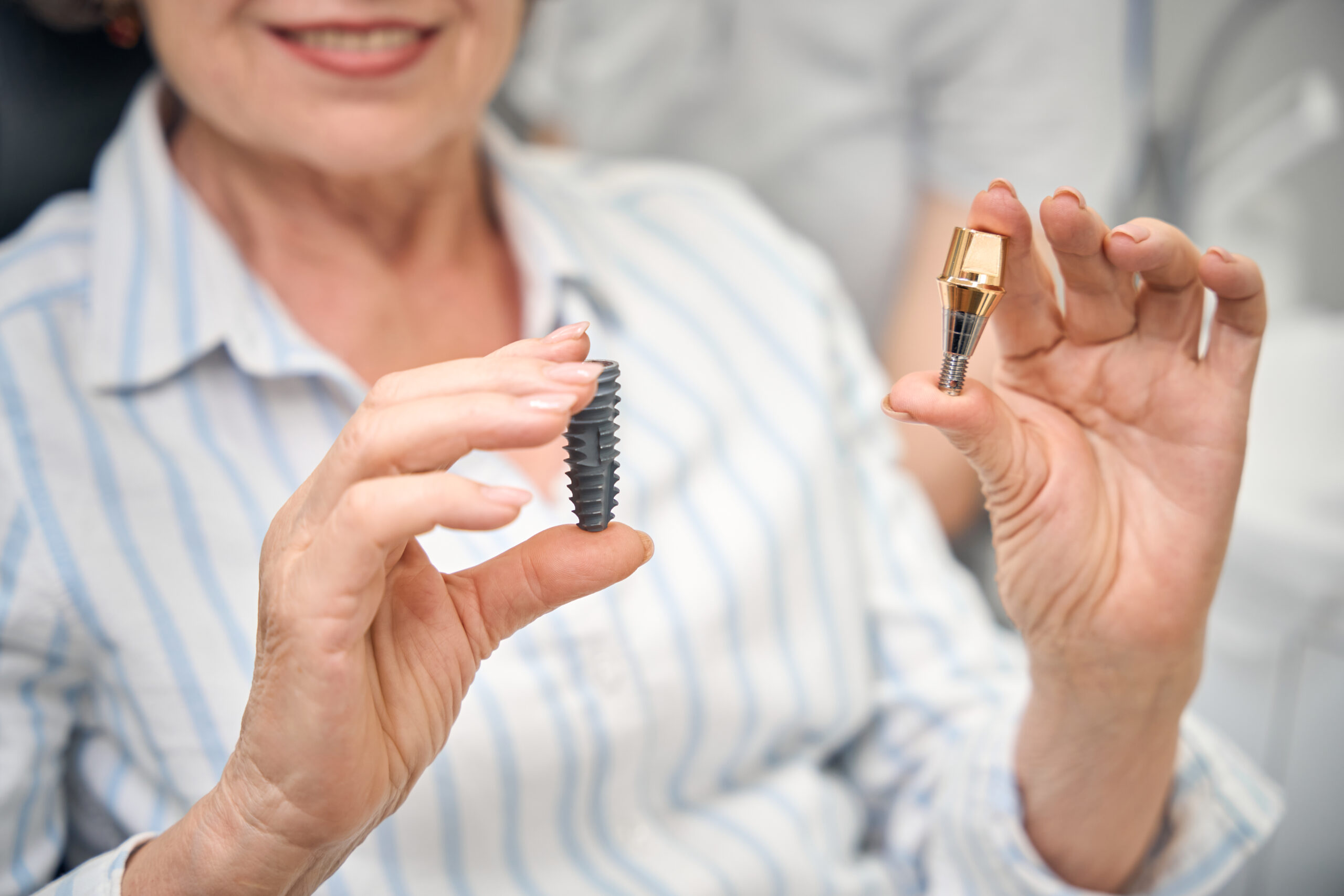
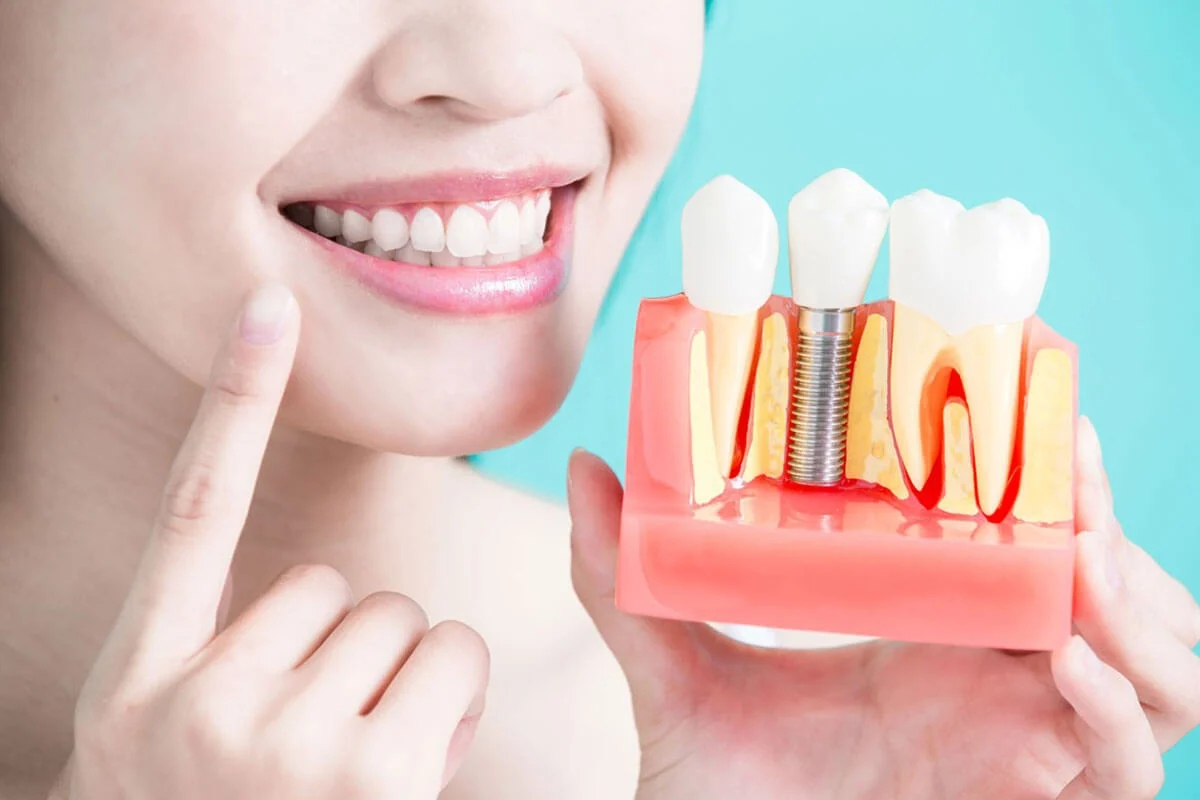
One titanium implant replaces the missing tooth root. A custom crown, matched to your natural teeth in color and shape, is attached on top. It is the closest thing to replacing the tooth exactly as nature built it.
This is usually the best choice for a single gap, because we do not have to file down or crown the teeth beside it.
Understanding Implant-Retained Bridges
When several teeth in a row are missing, a bridge supported by two or more implants can span the gap. You do not need an implant for every missing tooth, which can make treatment simpler. The implants carry the load, so your natural teeth are not strained.
How Do They Compare With A Traditional Bridge?
A traditional bridge uses crowns on the teeth next to the gap to support a false tooth in the middle. It can work well and does not require surgery, but it requires reshaping healthy neighbors, and it does nothing for the bone underneath. Implant-supported options avoid both issues. They help preserve bone and can help prevent facial sagging that sometimes follows tooth loss.
Which One Is Right For Me?
● One missing tooth: an implant crown is usually the first option to consider
● Two or more missing teeth side by side: an implant bridge may be a good fit
● Neighbors already need crowns: a traditional bridge may be reasonable
● Thin bone or gum disease: these may need to be treated first, and bone grafting may help
Your doctors will weigh your bite, your bone, and your goals, and then explain the pros and cons without pressure.
What Does The Process Look Like?
Exam and imaging. We assess bone health, how many teeth are missing, and whether implants are right for you.
Treatment plan. You get a tailored plan with a timeline and the number of implants needed.
Implant placement. The implants are placed in the jaw and monitored as they bond with the bone.
Restoration. Your custom crown or bridge is made and attached once healing is complete.
How Long Will It Last?
With good brushing, flossing, and regular cleanings, implants can last many years, and our website notes success rates of about 90 to 95% at ten years. The crown or bridge on top may eventually need replacing, as any restoration might.
Who Will Treat Me?
Dr. Geoff Gwynn has Zimmer Institute implant dentistry training and cosmetic dentistry certification, which helps your final restoration look as good as it functions. Dr. Conor Hughes, a University of Pittsburgh School of Dental Medicine graduate, is known by patients for his patient, caring chairside manner. Together, they can guide you through the whole process close to home.
Book a consultation with Aesthetic Dental Group in Uniontown, PA, or schedule an appointment online.