You have a tooth that throbs, or a dentist just used the words root canal, and you are bracing for the worst. The big question is simple: is a root canal painful?
Not the way its reputation suggests. With modern local anesthesia, a root canal is virtually pain-free, and many patients compare the comfort to getting a filling. The pain people remember is usually from the infection before treatment, not the treatment itself.
Common Reasons for Root Canal Treatment
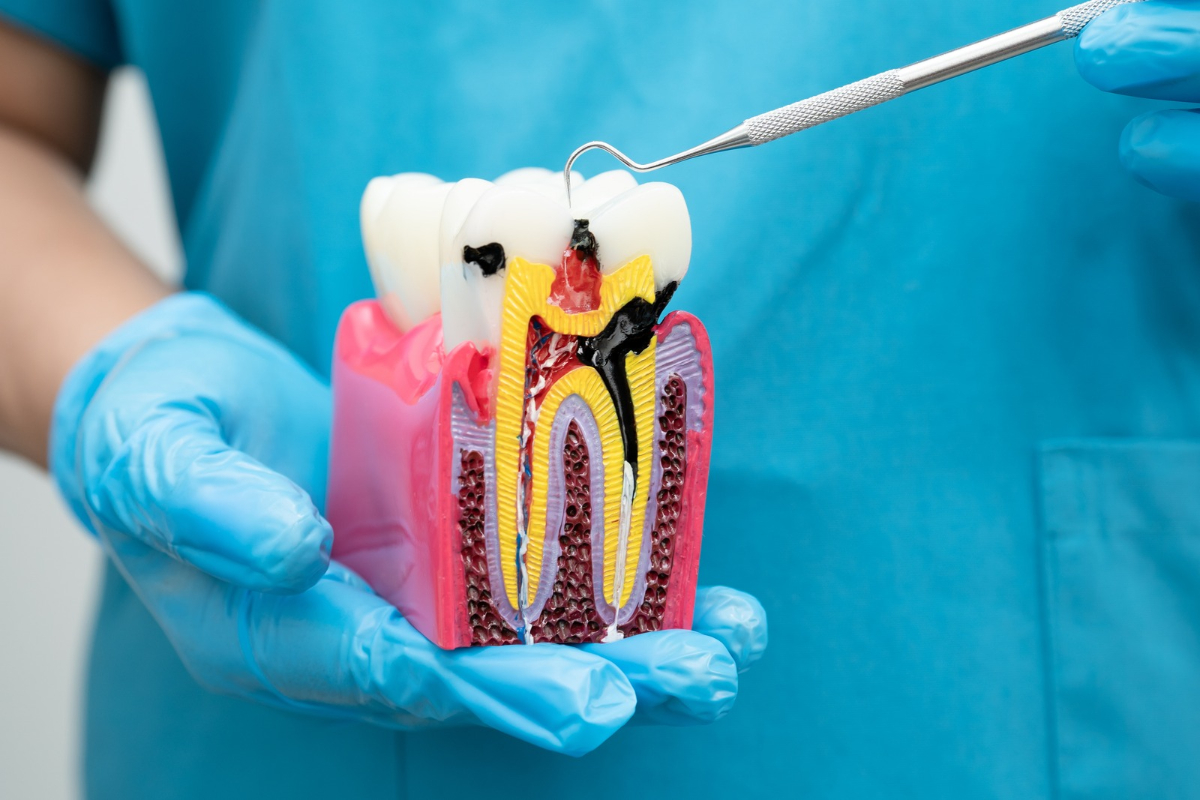
Inside each tooth is a soft tissue called the pulp, containing nerves and blood vessels. When it becomes infected or inflamed, from a deep cavity, a crack, repeated dental work, or an injury, bacteria can spread and lead to an abscess. A root canal removes the infected pulp so you can keep your natural tooth instead of losing it.
Signs You May Need a Root Canal
● A persistent, severe toothache
● Sensitivity to hot or cold that lingers
● A tooth that looks darker than the others
● A pimple-like bump on the gum
You can also need a root canal without any pain at all, for example, if an infection is present with no symptoms or the nerve has already died. That is one reason regular exams matter.
What Happens During Root Canal Treatment
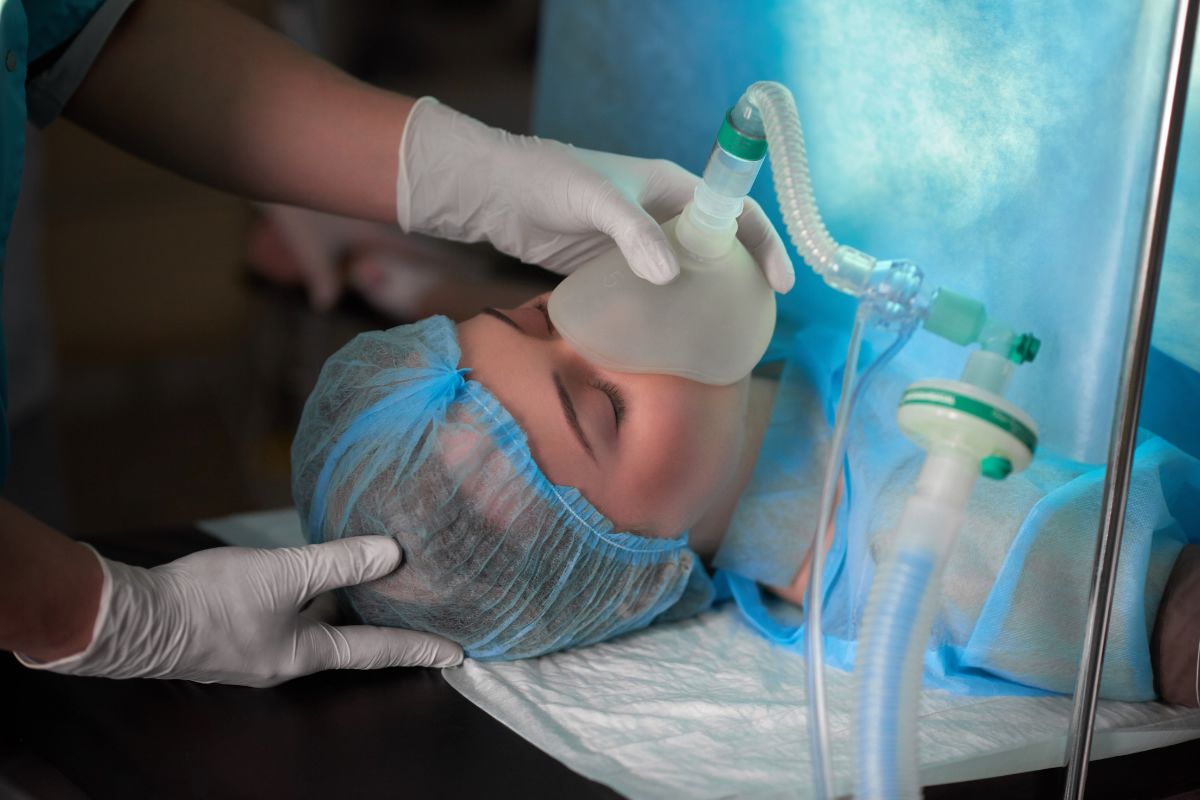
● The area is fully numbed with local anesthesia.
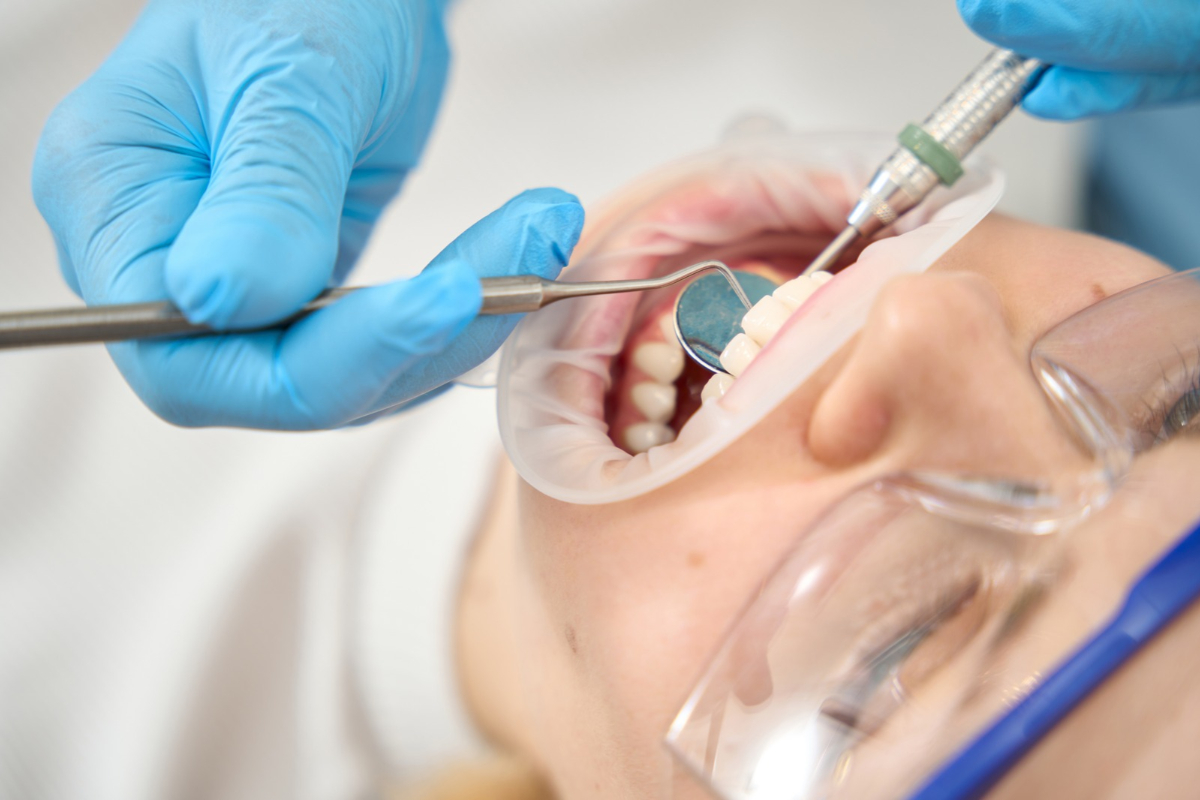
● Your doctor accesses the inside of the tooth and removes the infected pulp and nerve tissue.
● The space is cleaned and disinfected.
● It is filled with a material called gutta-percha to preserve the tooth’s structure.
● Most treated teeth then get a crown for lasting protection.
Dr. Geoff Gwynn, who holds Advanced Cardiac Life Support and I.V. sedation certifications along with his general dentistry residency training, prioritizes patient safety and comfort. Dr. Conor Hughes, who was recognized at Pitt Dental Medicine for his commitment to patients with special needs, is especially gentle with nervous patients.
Root Canal Appointment Timing
Appointments typically run 60 to 90 minutes, and we suggest planning for about two hours. Eat a light meal about two hours beforehand. If you use sedation to help you relax, arrange for a driver.
Will It Hurt Afterward?
Mild soreness or swelling for a few days is common and can usually be managed with over-the-counter pain relievers and the aftercare instructions we provide. If anything feels worse instead of better, call us.
The Benefits of Saving a Natural Tooth
Saving your natural tooth is usually the best outcome. Root canals have a success rate above 95 percent, and with good hygiene a treated tooth can last a lifetime. If complications ever arise, retreatment is available. Pulling the tooth instead often leads to replacement costs and shifting of nearby teeth.
What Should I Do If I Think I Need One?
Do not wait for the pain to get worse. The sooner we diagnose the problem, the simpler the treatment tends to be. If your tooth hurts now, call us, and we will do our best to see you quickly.
Book a consultation with Aesthetic Dental Group in Uniontown, PA, or schedule an appointment online.