Your back teeth are sore, or a dentist mentioned your wisdom teeth on an X-ray, and now you are wondering: do these things really have to come out? Not every wisdom tooth needs to be removed, but many do.
If a wisdom tooth has come in straight, has enough room, and can be cleaned properly, it may be fine to leave. If it is stuck, crowded, or causing problems, removal is usually the better choice. An exam and X-ray will tell us which category your teeth fall into.
Common Problems Caused by Wisdom Teeth
Many jaws simply lack room for a full set of 32 teeth. Wisdom teeth that cannot fully come in can become impacted, meaning they are trapped beneath the gum or bone. Problems can include:
● Pain, pressure, or throbbing at the back of the mouth
● Swelling or infection in the surrounding gum
● Damage to the neighboring second molars
● Crowding of other teeth
● Cysts or bone problems around the tooth
How Do I Know If Mine Should Come Out?
Common signs include jaw pain or tenderness, gum swelling at the back of the mouth, and a tooth that has only partly broken through the gum. Even without symptoms, X-rays may show trouble brewing. Leaving problem teeth can damage neighboring teeth, cause jawbone problems, gum infections, cavities, and sinus issues.
Am I Too Old For Wisdom Teeth Removal?
No. Wisdom teeth can be taken out at any age when they cause problems or are at risk of doing so. Younger patients often recover faster, but older adults can also have them removed successfully.
Do I Need To See an Oral Surgeon?
Not at our office. Extractions are done here, so you can avoid an outside referral and stay with a team you already know. Dr. Geoff Gwynn trained in general dentistry through a U.S. Air Force residency and has years of experience, and Dr. Conor Hughes brings a gentle manner that helps anxious patients feel at ease. Because the teeth are at the back of the mouth, may be angled, and can have irregular roots, careful planning is part of every case.
The Wisdom Tooth Extraction Process
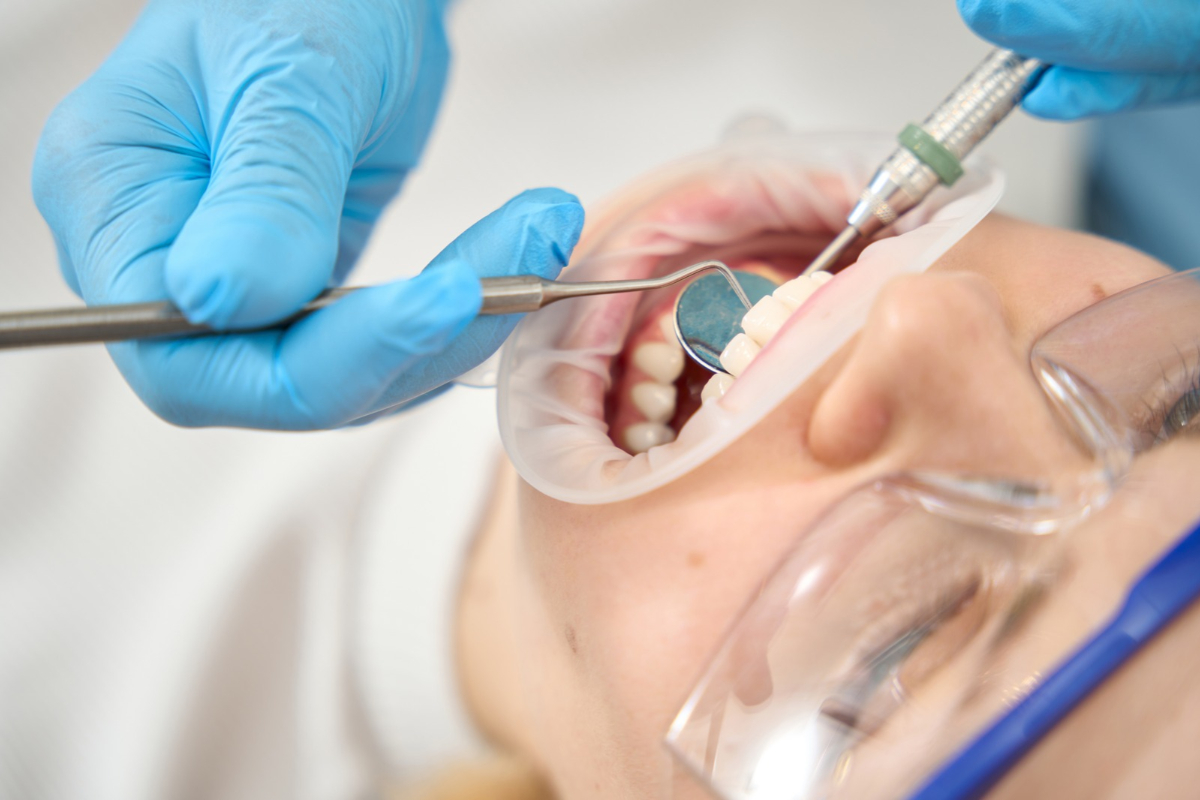
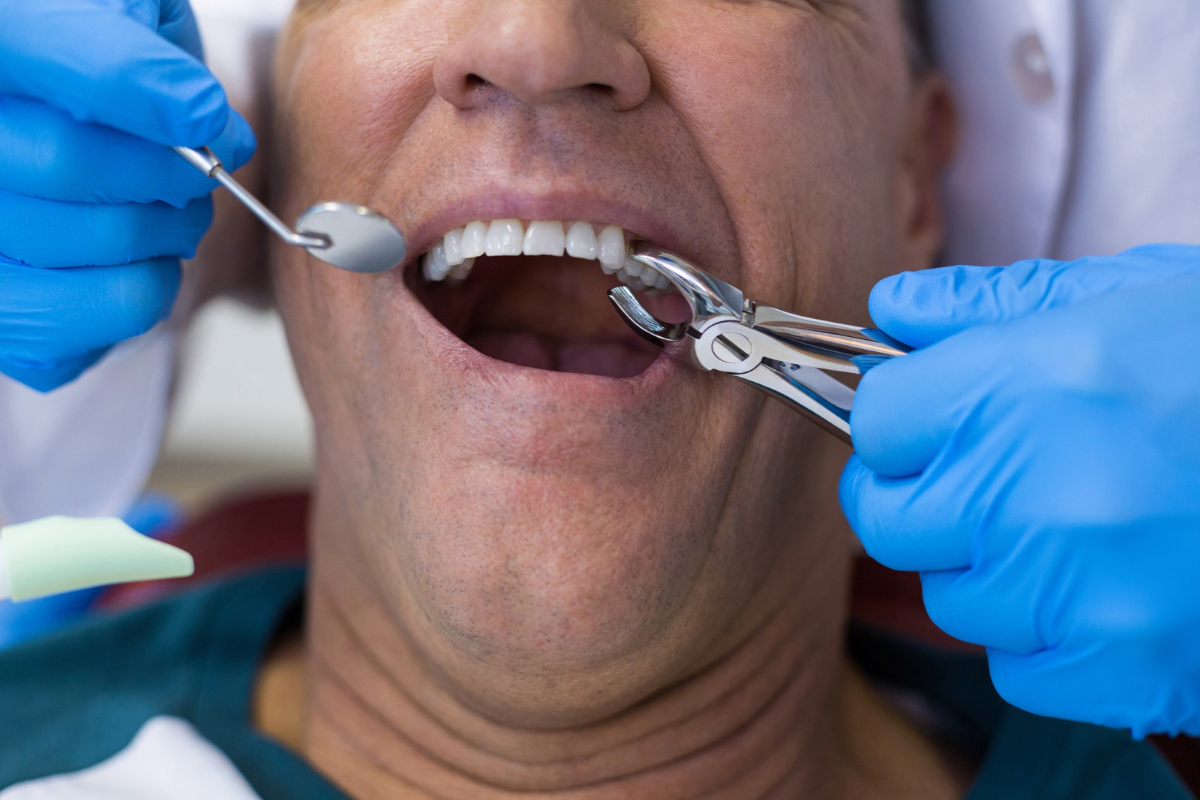
We take X-rays first to plan the procedure, then numb the area completely with local anesthesia. A tooth that has fully come in is typically loosened with an instrument and removed with forceps. An impacted tooth may need a small gum incision, and the tooth may be sectioned into pieces to make removal easier.
Can Sedation Help Me Feel More Comfortable During Treatment?
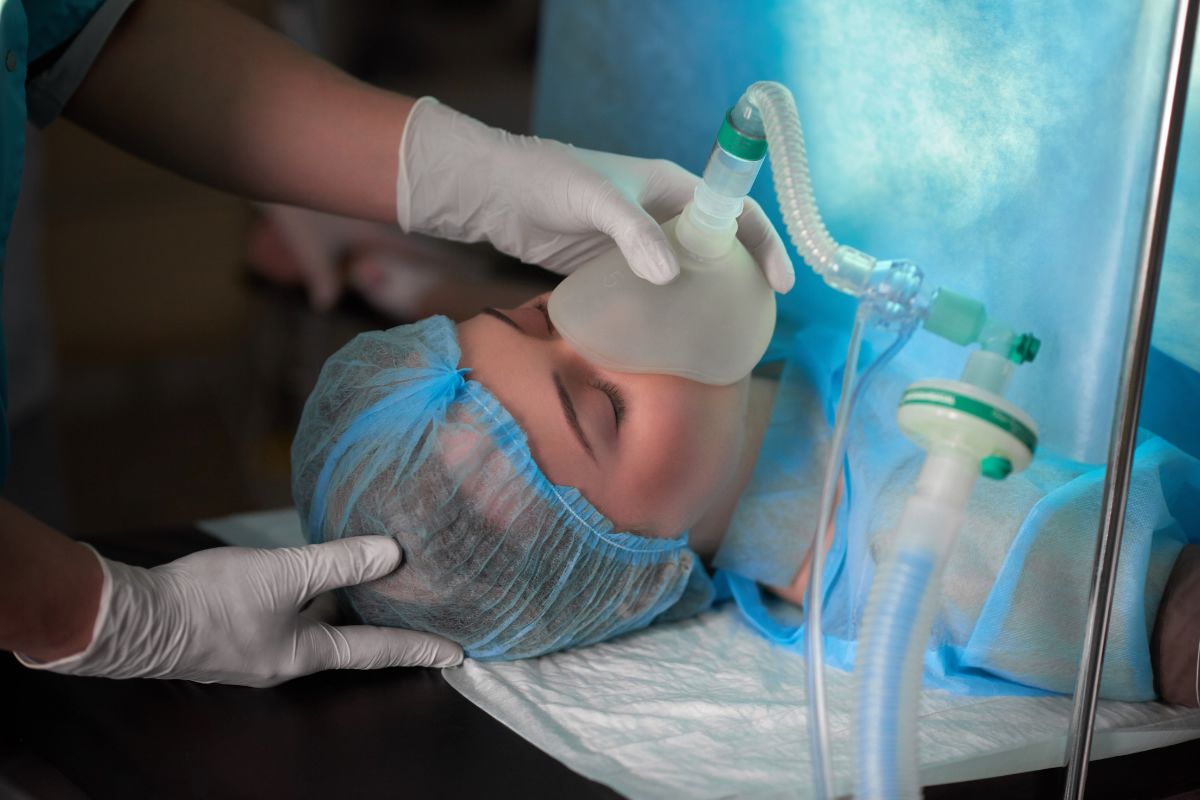
Yes. Sedation options are tailored to your needs, and our office offers nitrous oxide and oral conscious sedation. If you plan on sedation, arrange a ride home, particularly after oral conscious sedation.
What Is Recovery Like?
Recovery is usually measured in days. Swelling and tenderness are common in the first two to three days and can usually be managed with cold compresses and over-the-counter pain relief if appropriate for you. We give detailed aftercare instructions. Following them on diet, activity, and keeping the area clean helps prevent dry socket, the most common complication.
Do not wait for a flare-up. Problems that start as mild discomfort can turn into an urgent situation quickly.
Book a consultation with Aesthetic Dental Group in Uniontown, PA, or schedule an appointment online.