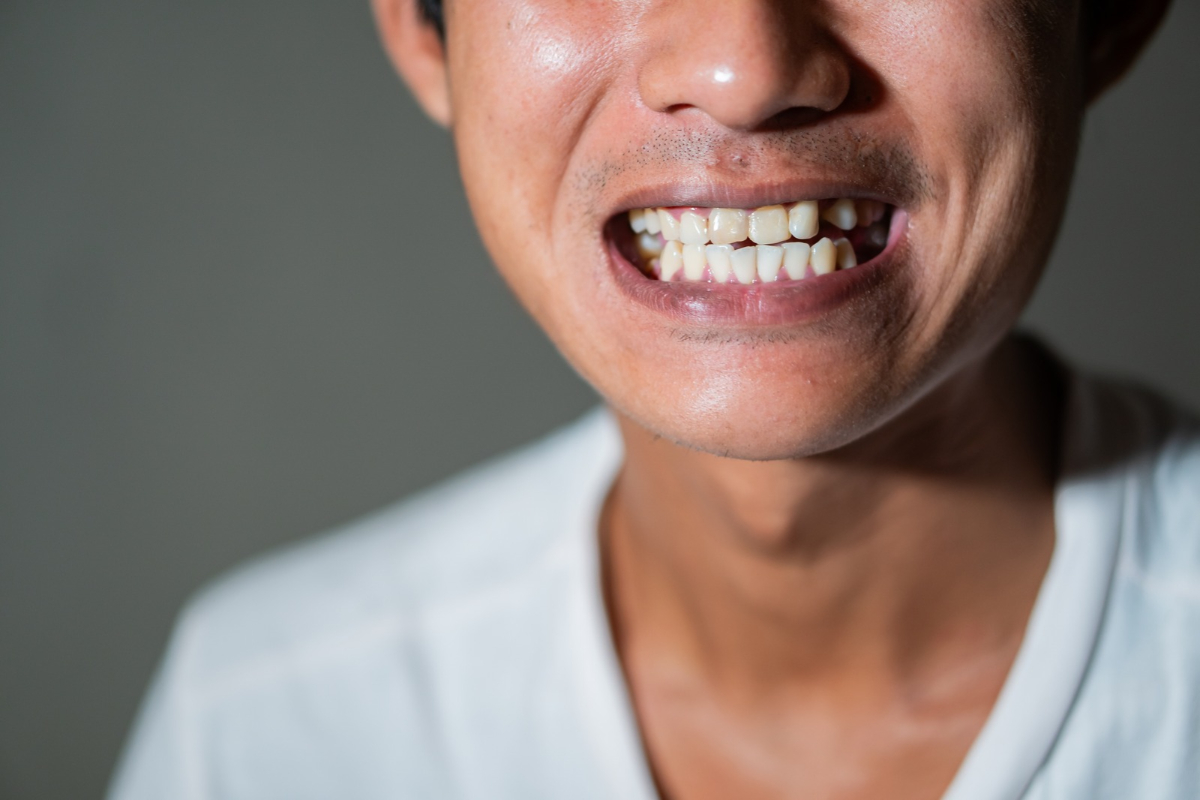
You bit into something hard, and now there is a chip in your front tooth. Or maybe you have had a small gap for years and finally want it gone. Before booking, you want to know: can this be fixed in one visit, without a long process?
In many cases, yes. Dental bonding can repair chips, close small gaps, and cover surface stains in a single appointment, often without anesthesia and with minimal tooth removal. Whether it is the right fix depends on the size and location of the problem.
What Is Dental Bonding?
Bonding uses tooth-colored resin that is applied directly to your tooth, shaped by hand, and hardened with a special curing light. Because the resin comes in many shades, it can be matched closely to your natural enamel. When done well, bonded areas are hard to tell apart from untreated teeth.
Dental Concerns Bonding Can Address
● Chipped or cracked teeth
● Small gaps between teeth
● Stains that do not respond to whitening
● Teeth that look short, uneven, or oddly shaped
● Small areas of damage or worn enamel
The Dental Bonding Appointment
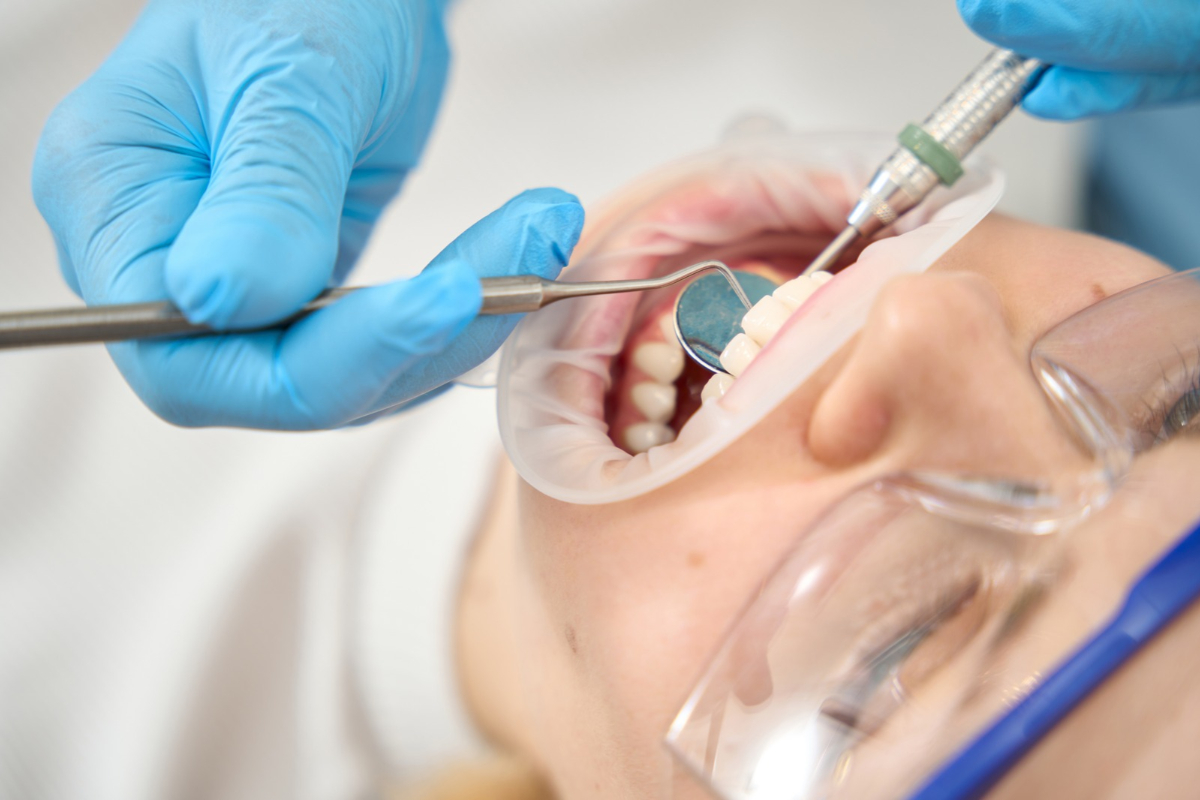
The tooth surface is gently roughened so the resin bonds well. The resin is applied, sculpted to match your tooth, and hardened with the light. Then it is trimmed and polished for a smooth finish. There is typically little to no drilling, and most patients do not need anesthesia. You can return to your normal day right away.
Dr. Geoff Gwynn holds a certification in Cosmetic Dentistry, and his years of experience in general and cosmetic dentistry matter here, since bonding is as much about artistry as technique. Dr. Conor Hughes also places tooth-colored restorations as part of everyday restorative care, and patients often mention how comfortable he makes the visit.
Dental Bonding Lifespan and Care
Bonding is not as long-lasting as porcelain veneers, but it holds up well with good care and may need touch-ups over time. Avoid biting fingernails, chewing ice, or opening packages with your teeth. Regular check-ups let us monitor bonded teeth and catch wear early.
Should I Choose Bonding Or Veneers?
It depends on what you want to change. Bonding is often a good choice for one or two teeth and minor changes. Veneers are better for changing the color, shape, and size of several teeth at once, and they resist stains better. Bonding can also be a short-term fix while you decide on veneers.
Both are more conservative than heavier procedures, and we will give you an honest recommendation. If a chipped tooth is large, painful, or sensitive, you may need a crown or other care instead, so it is worth getting it checked.
What If The Chipped Tooth Is Painful?
A chipped tooth that hurts, bleeds, or is sensitive to hot and cold should be seen soon. Call us, and we will do our best to get you in quickly, since emergency appointments are welcome.
Book a consultation with Aesthetic Dental Group in Uniontown, PA, or schedule an appointment online.