You have a mouth full of silver fillings, or a crown with a dark line at the gumline, and you keep hearing about “metal-free” options. Are they actually better, or just prettier? It is a fair question, and the honest answer is that for many patients, they are better in several practical ways, not only cosmetic ones.
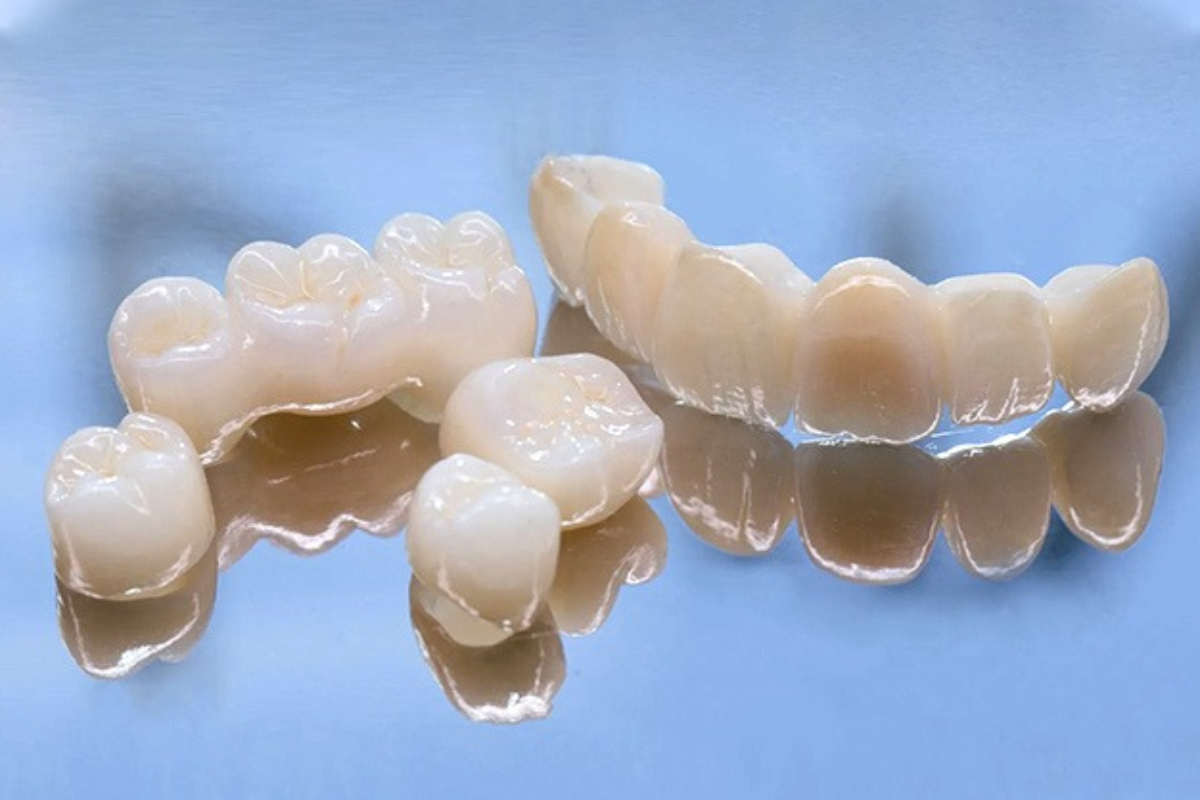
Metal-free restorations are fillings, crowns, inlays, and onlays made from porcelain, ceramic, or composite resin instead of metal alloys. At Aesthetic Dental Group, Dr. Geoff Gwynn and Dr. Conor Hughes recommend them whenever they suit the tooth and the bite.
The Appearance of Metal-Free Restorations
Yes. Porcelain, ceramic, and composite can be closely matched to the shade and translucency of your enamel, so the repair blends in rather than stands out. That matters most on front teeth, but many patients simply do not want a flash of metal when they laugh or yawn. Dr. Gwynn holds a certification in cosmetic dentistry, and that training shows up in everyday shade matching.
Are They As Strong As Metal?
Modern ceramic and porcelain are strong and wear-resistant, and they hold up well to daily chewing when they are placed correctly. Strength depends on the material, the size of the repair, and your bite, so your doctor will tell you honestly which material fits which tooth. If you clench or grind, mention it. A custom nightguard can help protect any restoration.
Preserving Natural Tooth Structure
Often, yes. Tooth-colored materials bond to the tooth, so we typically need to remove less healthy structure than we would to create the shape a metal filling requires. Keeping more of your own tooth is one of the best things you can do for its long-term health.
What About Sensitivity, Allergies, And MRIs?
Metal conducts heat and cold, which can add to sensitivity in some teeth. Ceramic and composite don’t conduct temperature the same way, so some patients notice the difference when they drink something hot or cold. These materials are also considered biocompatible, which is helpful for patients who prefer to avoid metal in their mouths or are concerned about metal sensitivities, and because they contain no metal, they are not a factor when you need an MRI.
Should I Replace My Old Metal Fillings And Crowns?
Not automatically. A restoration that is sound and sealed can stay in place. Consider replacing one when it is cracking, leaking, wearing down, or has decay forming around its edges, or when you simply want a more natural look. We will examine each one, review the imaging, and tell you what we see before recommending anything. If a replacement makes sense, the options include:
● Composite fillings for small to moderate cavities and for replacing old metal fillings
● Porcelain or ceramic crowns for teeth that need full coverage
● CEREC one-visit restorations when you would like a ceramic crown or inlay finished in a single appointment
How Do I Find Out Which Option Is Right For Me?
Start with an exam. Dr. Hughes is a good person to see for an everyday restorative check of your existing work, and Dr. Gwynn can walk you through more cosmetic goals. Bring your questions, including any about sensitivity, cost, or timing. We’ll review the plan with you before any work begins.
Book a consultation with Aesthetic Dental Group in Uniontown, PA, or schedule an appointment online.