You have a missing tooth, or several, and someone mentioned implants. Now you are wondering whether they would actually work for you, or whether you would be told you are not a candidate. It is one of the most common questions we hear from patients across Fayette County.
The short answer is that most healthy adults with missing teeth can be considered, but candidacy depends on a few specific things we can check in a single consultation. Here is what those things are and how we evaluate them.
Key Factors for Dental Implant Candidacy
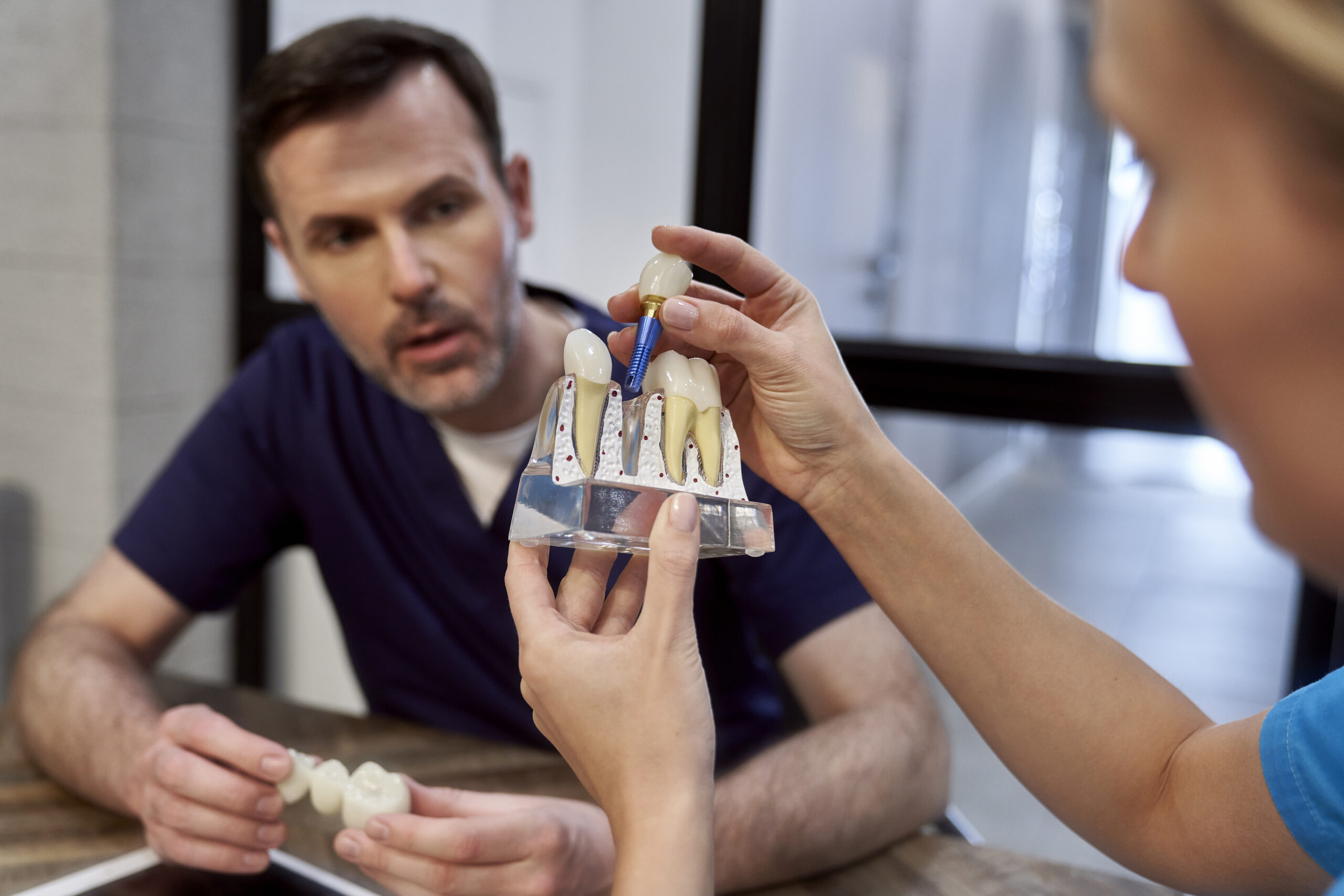
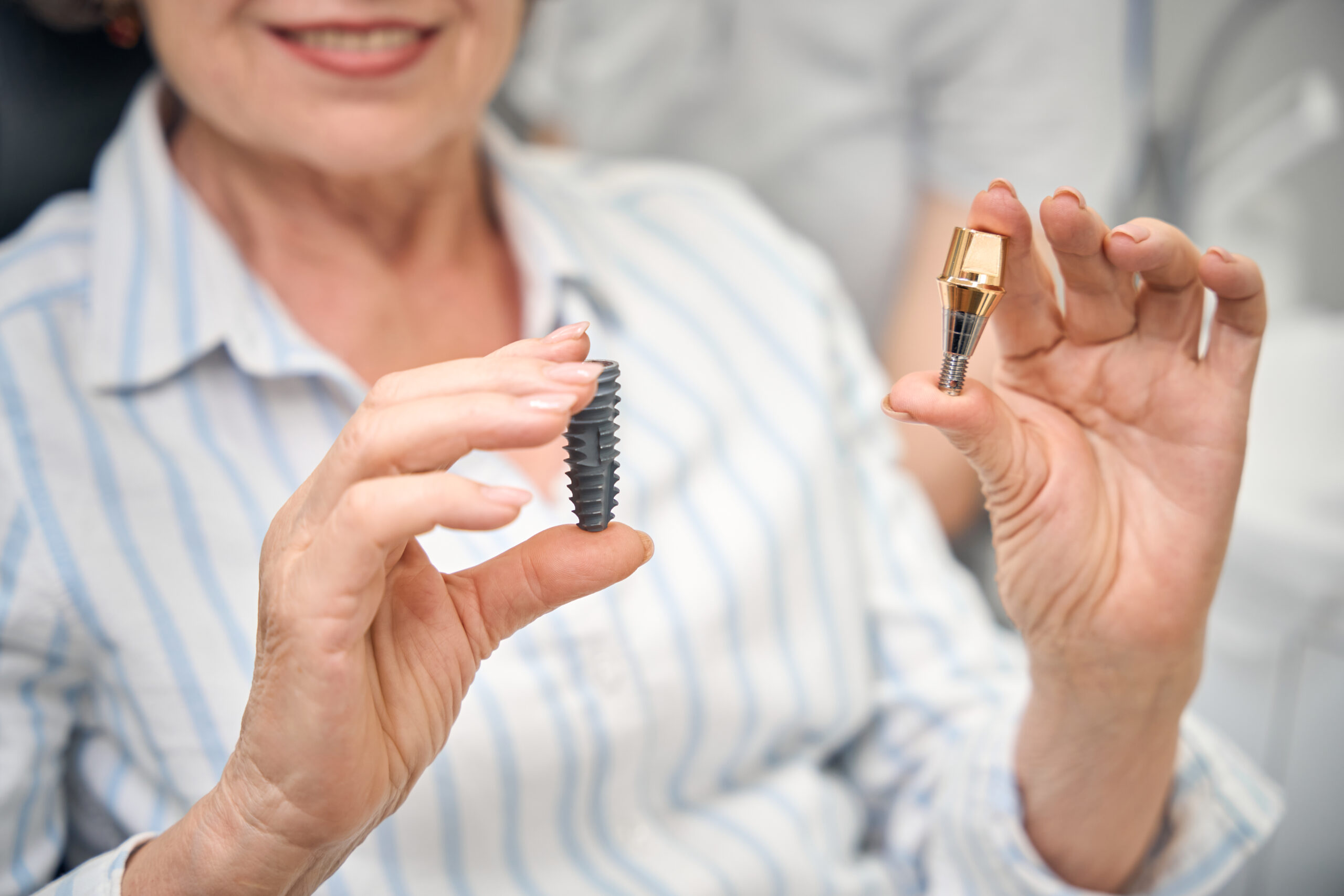
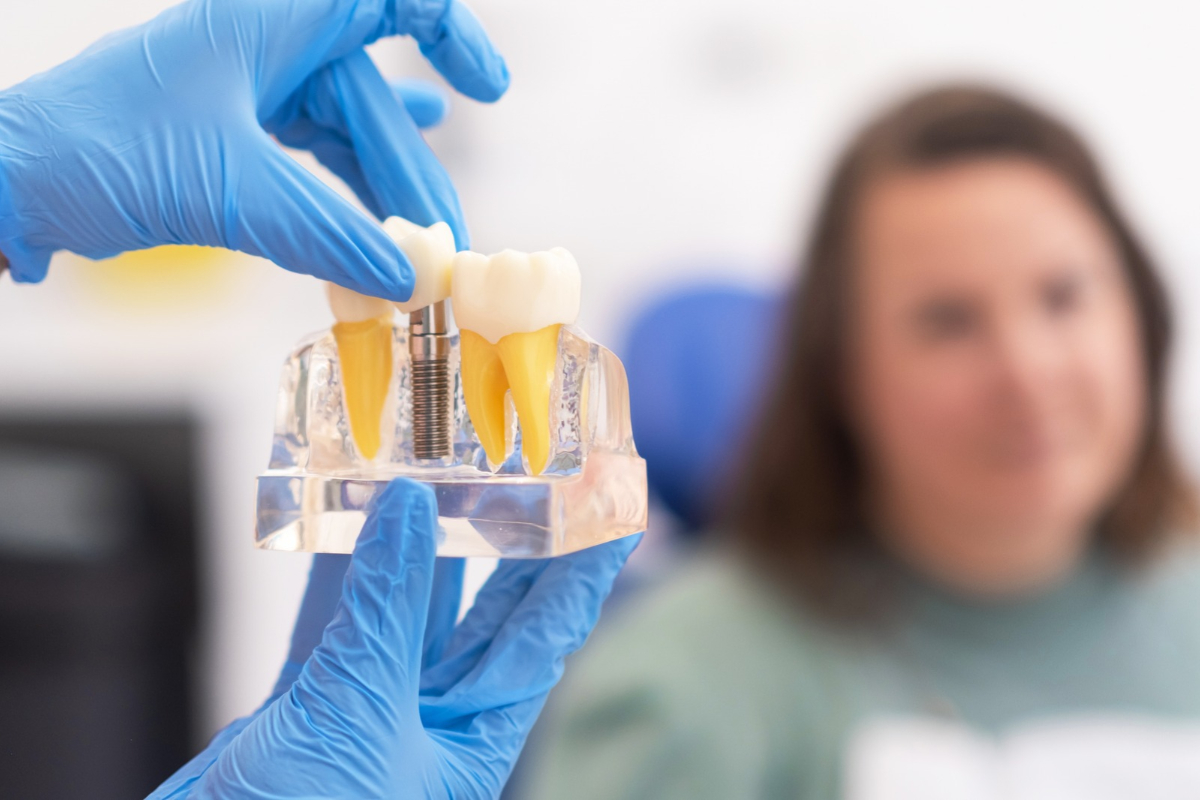
A dental implant is a small titanium post placed in the jawbone to act as an artificial tooth root. A custom crown, bridge, or denture is then attached to it. For that to work well, the following generally need to be true:
● Healthy gums. Active gum disease needs to be treated first, because infection around an implant can cause it to fail.
● Enough jawbone. The implant needs solid bone to fuse with over time.
● Good general health. You should be healthy enough for minor oral surgery.
● Commitment to aftercare. Daily brushing and flossing, plus regular checkups, are part of keeping an implant healthy for years.
Long-Term Tooth Loss and Implant Options
This worry comes up often, and it is a fair one. Once a tooth is gone, the bone that held its root begins to shrink. Without a root to stimulate it, up to 25 percent of the bone volume in that area can be lost in the first year. That is one reason we encourage patients not to wait.
If bone has already thinned, that does not automatically rule out implants. Bone grafting can rebuild the area, and some patients who were previously told they were not candidates become good candidates after a graft.
How Do You Decide If Implants Are Right for Me?
Your consultation includes a thorough exam and a CBCT scan, a three-dimensional image that lets us see your bone, sinuses, and nearby structures in detail. We also review your medical history and talk through your goals.
Dr. Geoff Gwynn brings specific training to this kind of planning. He is certified through the Zimmer Institute in implant dentistry and has extensive experience in general, cosmetic, and implant dentistry. Dr. Conor Hughes also works with patients on restorative care, and both doctors take the time to explain what they see, including when a different option may serve you better.
The Dental Implant Treatment Process
● Consultation and planning: exam, CBCT scan, and a personalized treatment plan.
● Preparation if needed: gum treatment or bone grafting before placement.
● Implant placement: done with sedation for comfort, followed by a healing period with temporary teeth.
● Healing check: sutures are typically removed about two weeks after surgery, and an X-ray at roughly 10 to 12 weeks confirms the bone has healed.
● Final restoration: impressions are taken, and the permanent crown, bridge, or denture is placed about two to four weeks later.
How Successful Are Dental Implants?
Our practice reports an initial success rate of about 98 percent, and about 90 to 95 percent after ten years. With good care, implants can last a lifetime. Because they stay anchored in the jaw, they also help protect the bone and let you eat without worrying about slipping.
Next Steps Toward Dental Implants
If you are unsure whether you qualify, the best step is a consultation. You will leave knowing whether implants fit your situation and what, if anything, needs to happen first.
Book a consultation with Aesthetic Dental Group in Uniontown, PA, or schedule an appointment online.