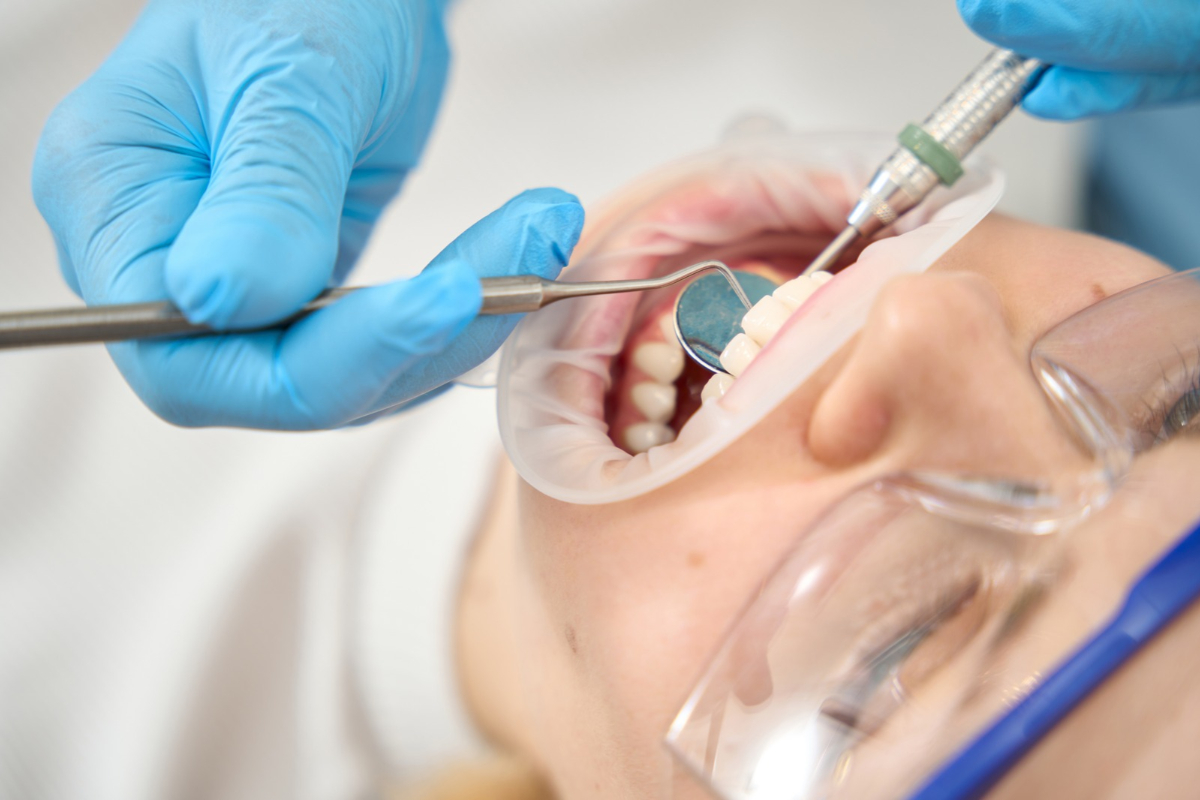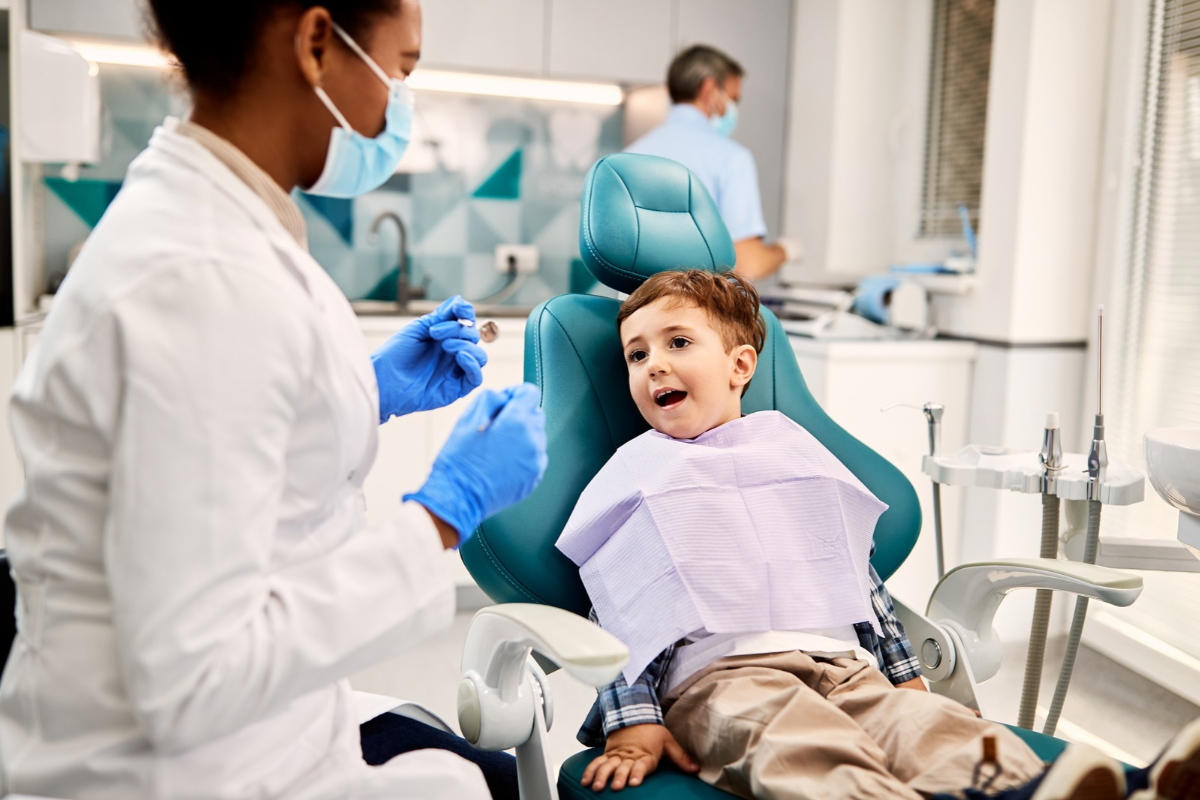
Your child’s dentist mentions sealants, and you wonder: do they really need them, or is it an upsell? It is a reasonable thing to ask. For many children, sealants are one of the simplest, most effective ways to prevent cavities, and they are quick and painless to apply.
Sealants are thin protective coatings painted onto the chewing surfaces of the back teeth, the molars and premolars. Those teeth have deep pits and grooves where food and plaque collect and where a toothbrush bristle cannot always reach. A sealant fills in those grooves and blocks bacteria from settling in.
The Dental Sealant Application Process
The process takes just a few minutes per tooth and does not involve drilling or numbing. We follow these steps:
● The tooth is cleaned and dried
● A mild conditioning solution is applied so the sealant bonds to the enamel
● A thin layer of sealant is painted on
● A special curing light hardens it
Because the process is fast and gentle, it tends to go smoothly even with younger patients who have trouble sitting still.
Children Who May Benefit From Sealants
Sealants are often recommended for children and teens as their permanent molars come in, since those teeth are new and need protection early. That said, we do not limit them by age. Adults with deep grooves who are prone to cavities can benefit too. Dr. Conor Hughes, who is accepting new adult and child patients, will check each child’s teeth and tell you honestly whether sealants make sense.
Are Sealants Better Than Just Fillings Later?
Preventing a cavity is far easier on a child than treating one. A sealant takes a few minutes and requires no anesthesia, while a filling means numbing, drilling, and a longer visit. Sealants also reduce the risk of the more serious problems that untreated decay can cause. If a cavity does develop, we also offer tooth-colored composite fillings for children.
How Long Dental Sealants Typically Last
Sealants provide long-lasting protection, but they can wear down over time with chewing. We check them at regular visits, and we can reapply or touch them up as needed. That is one reason routine exams matter even after sealants are in place.
Do Sealants Replace Brushing And Fluoride?
No. Sealants protect the chewing surfaces but not the spaces between teeth, so brushing, flossing, and a healthy diet still matter. They work well alongside professional fluoride treatments, which strengthen the enamel. Dr. Hughes and our team use fun, educational techniques to teach kids good habits that last.
What Should I Do Next?
If your child has had their permanent molars come in and has not had sealants evaluated, ask at your next visit or schedule an exam. We can look at the teeth together and answer your questions before anything is done.
Book a consultation with Aesthetic Dental Group in Uniontown, PA, or schedule an appointment online.