You may have noticed your dentist looking at your tongue, pressing under your jaw, or checking the inside of your cheeks, and wondered what that was about. That is an oral cancer screening, a quick, painless part of a thorough dental exam. Many patients ask whether they need one. For most adults, the answer is that it is worth having done regularly.
The reason is simple: oral cancer often causes no noticeable symptoms in its early stages, so it is frequently found late. Early detection greatly improves treatment success, and a short exam can help catch something while it is small.
What to Expect During an Oral Cancer Screening
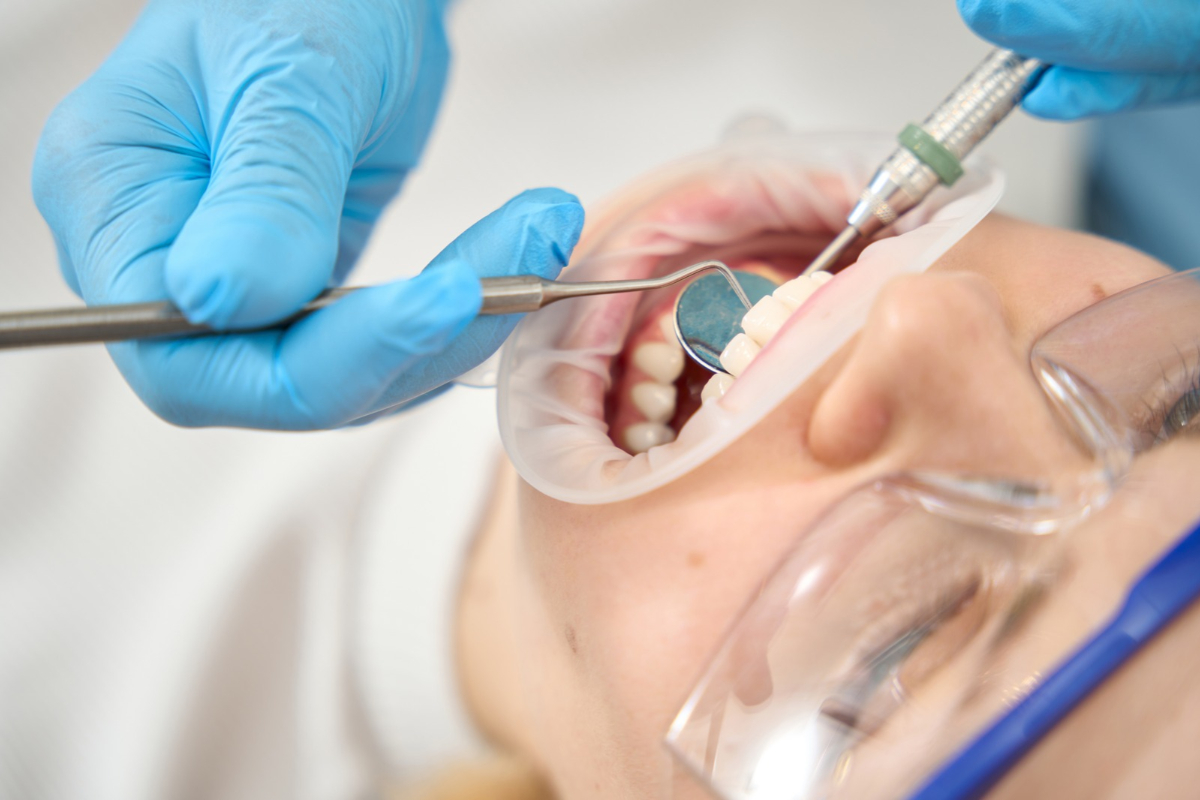
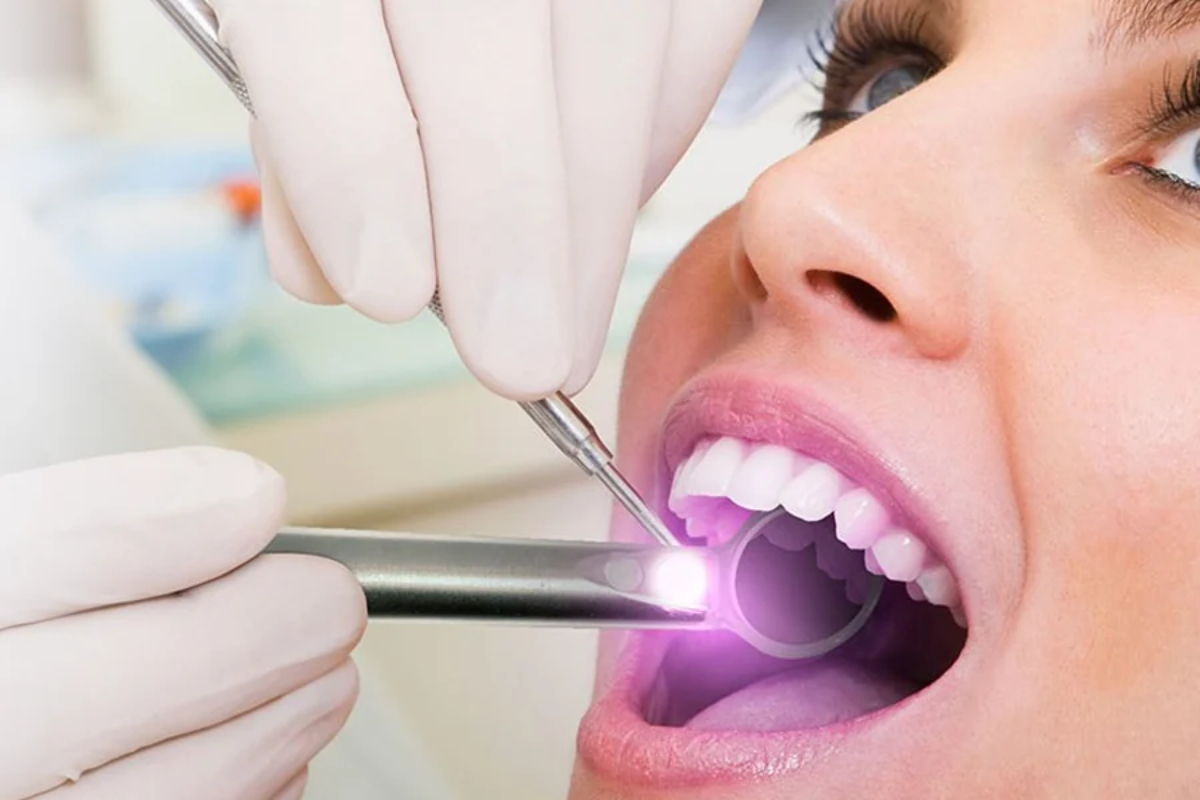
It is a visual and physical exam. Dr. Gwynn or Dr. Hughes will closely examine your lips, tongue, cheeks, throat, gums, and the rest of your mouth for lumps, lesions, color changes, or anything else that looks abnormal, including changes that aren’t causing you any discomfort. They will also gently feel the tissues of the mouth, jaw, and neck. It usually takes only a few minutes and is part of your regular visit.
How Do Our Dentists’ Training and Experience Support Early Detection?
Knowing what normal tissue looks like helps a clinician notice when something isn’t. Dr. Gwynn has extensive experience in general, cosmetic, and implant dentistry, and his forensic dentistry certification reflects a trained eye for detail. Dr. Hughes graduated from the University of Pittsburgh School of Dental Medicine and was recognized for his care of patients with special needs, which means he is used to examining patients who may need extra patience and gentleness.
Who Benefits From Oral Cancer Screenings
Screening is a good idea for adults generally, and especially for people who:
● Use tobacco in any form
● Drink alcohol regularly
● Have had a lot of sun exposure on the lips
● Have noticed a sore, patch, or lump that has not gone away
● Have not seen a dentist in a long time
That said, oral cancer can affect people with no obvious risk factors, which is part of why screenings are built into routine exams.
What Happens If The Professional Notice Something Unusual During Your Screening?
Finding something unusual does not mean it is cancer. Many spots turn out to be harmless, such as irritation from a sharp tooth or a minor injury. If we see something that warrants a closer look, we will explain what we found, what it might be, and what the next step should be. We would rather check early and be reassured than wait.
How Often Should I Be Screened?
Because the screening is part of the check-up, most patients receive it every time they come in. Most adults do well with an exam about every six months, and some need more frequent visits. Between visits, call us if you notice a sore that does not heal within a couple of weeks, a lump, white or red patches, ongoing hoarseness, or pain when swallowing.
Book a consultation with Aesthetic Dental Group in Uniontown, PA, or schedule an appointment online.