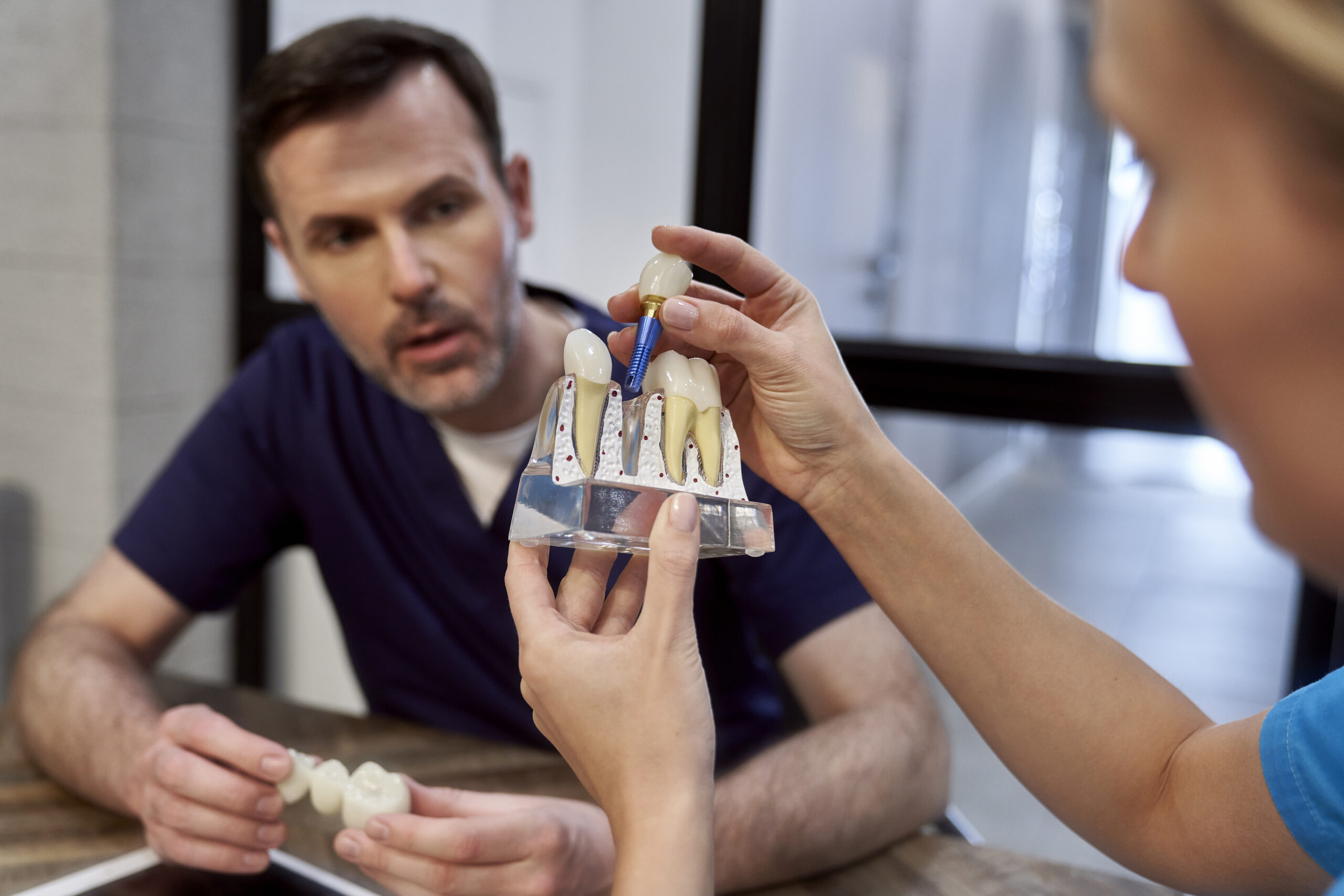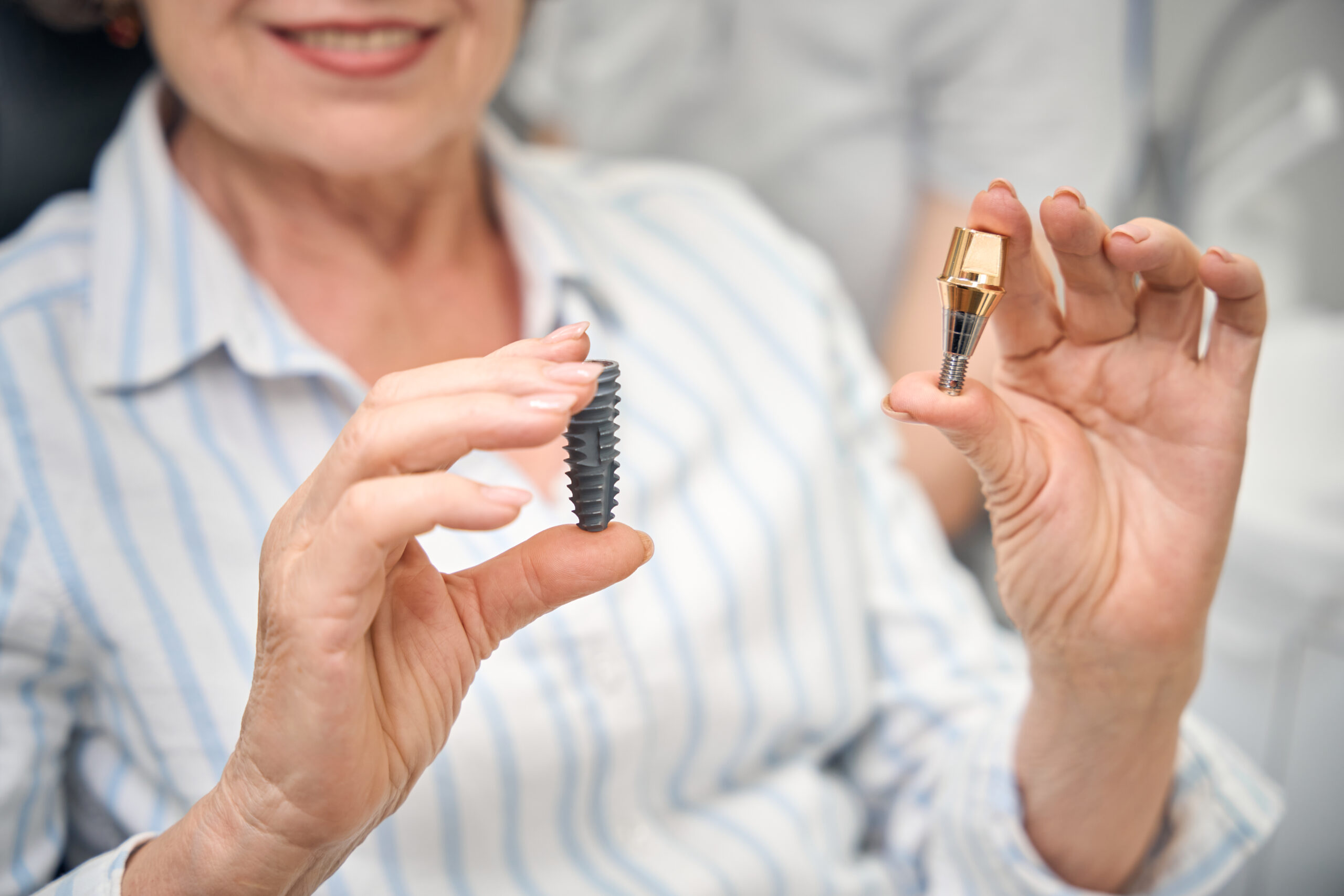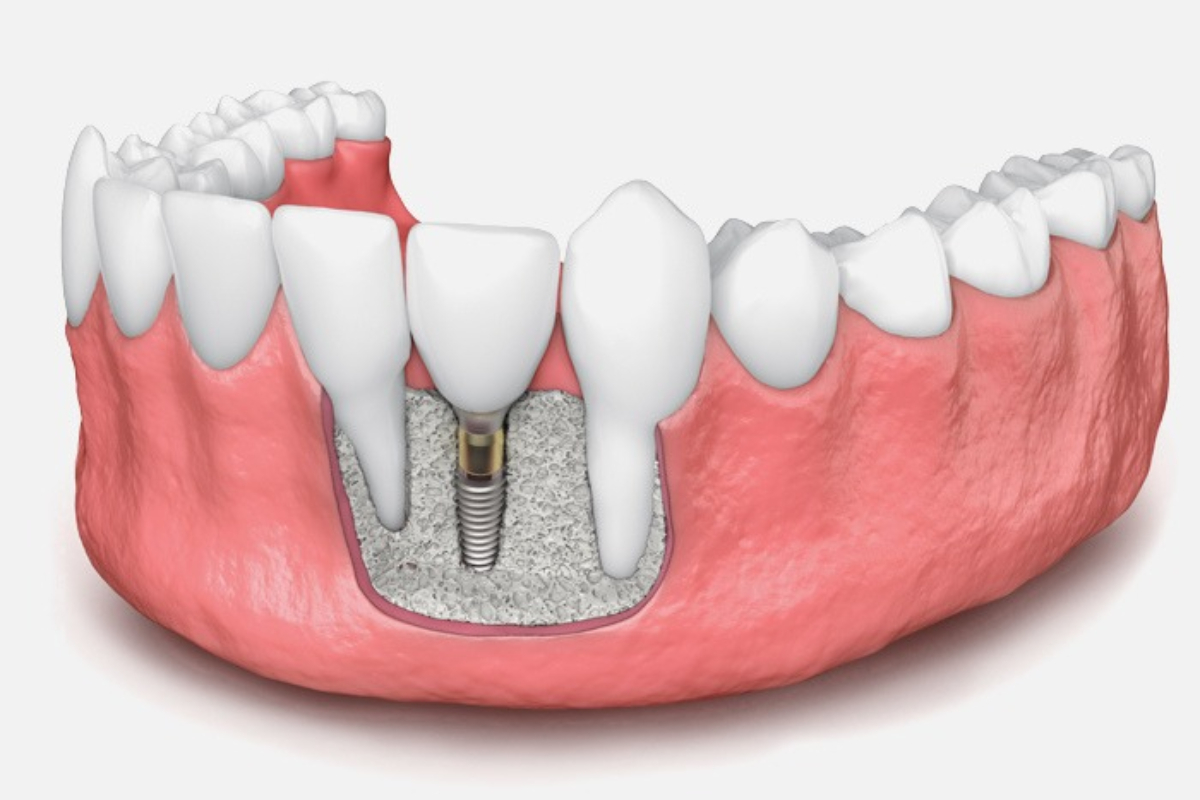
You decided on a dental implant, and then you heard the news: there may not be enough bone to hold it. It is a frustrating moment, but it is not the end of the road. For many patients, a bone graft is the step that makes an implant possible.
Do you need one? It depends on your jawbone, and the only way to know for sure is a proper exam and imaging. Here is what you should understand before that visit.
Why Would My Jaw Not Have Enough Bone?
Your jawbone stays strong because your tooth roots stimulate it. When a tooth is lost, that stimulation stops and the bone slowly shrinks. Our website notes that up to 25% of bone volume can be lost in the first year after a tooth is gone. The longer a space goes untreated, the more bone is typically lost. Gum disease, injury, and long-term denture wear can also contribute.
Understanding Dental Bone Grafts
A bone graft adds volume and strength to weakened or thinning bone. The graft material acts as a scaffold, and your own bone gradually grows into it. Material can come from your own body, a donor, or a synthetic source, and all are biocompatible.
Types Of Dental Bone Grafts
Socket preservation. Bone material is placed in the socket right after a tooth is removed to limit shrinkage, which can make a future implant much simpler.
Ridge expansion or augmentation. This widens or builds up a jawbone that is too thin to hold an implant. It ranges from a minor graft to a more extensive procedure.
Sinus augmentation. In the upper back jaw, the sinus floor is lifted, and bone is added below it so an implant has room.
Does The Procedure Hurt?
Grafting is typically performed under local anesthesia with minimal discomfort during the procedure, and sedation options are available if you are anxious. Afterward, expect soreness and some swelling for a few days, which usually settles with the care instructions we give you.
How Long Does It Take To Heal?
Healing time varies with the type and size of the graft. The graft needs time to blend with your natural bone before an implant is placed, and we will map out the stages so you know what is coming. Some patients need a graft first and an implant later. In other cases, placing the graft at the time of a tooth extraction saves a step.
Can A Graft Really Make Me A Candidate?
Often, yes. Patients who were told elsewhere that their bone was too thin sometimes become good candidates after grafting. Other requirements still apply, including healthy gums, good general health, and a commitment to aftercare.
Who Will Plan My Care?
Dr. Geoff Gwynn has completed Zimmer Institute implant dentistry training and has extensive experience in general and implant dentistry, so he views bone and implant planning as one connected picture. Dr. Conor Hughes brings a gentle, patient-centered approach that many nervous patients appreciate. Imaging, including CBCT, helps both doctors judge exactly how much bone you have.
Book a consultation with Aesthetic Dental Group in Uniontown, PA, or schedule an appointment online.