“Will it hurt?” is usually the first question patients ask about dental implants, closely followed by “What actually happens?” Not knowing what to expect is what makes the procedure feel intimidating. So here is the whole process, step by step.
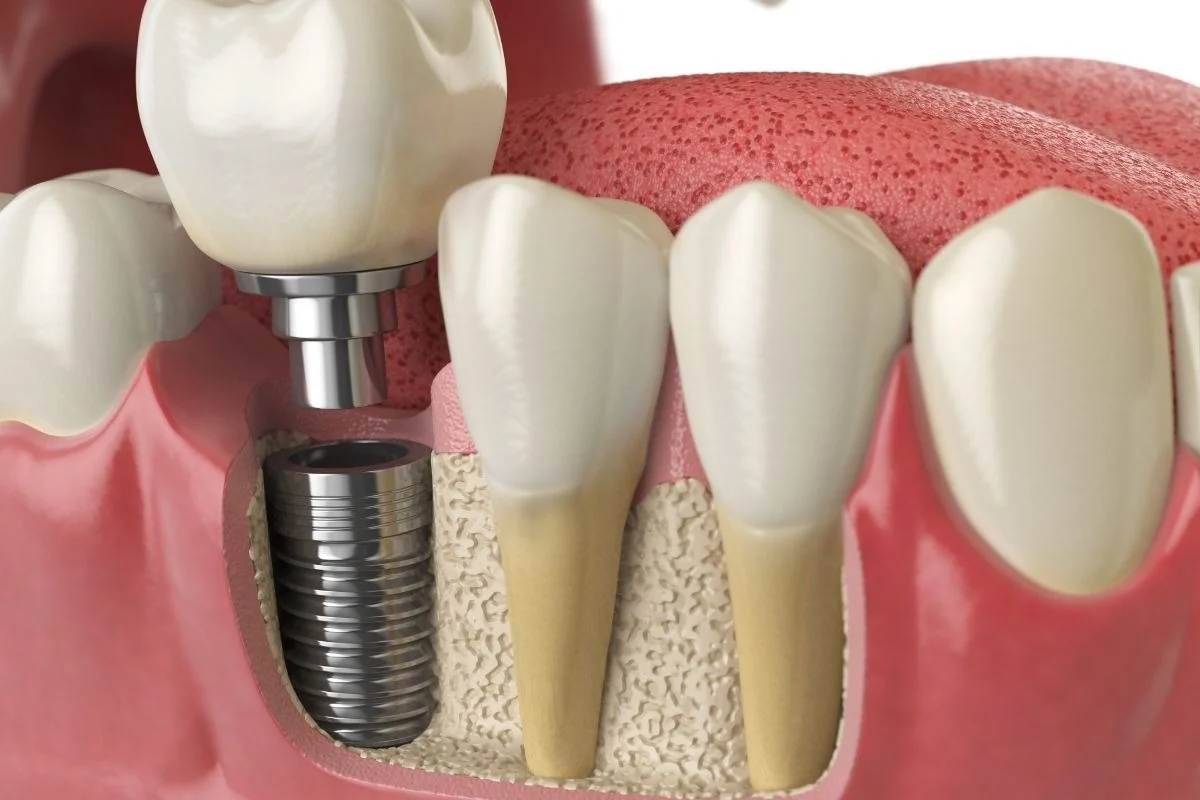
In short, an implant is a small titanium post that replaces the root of a missing tooth. It is placed in the jaw under local anesthesia, and most patients find it far more manageable than they expected. The real work is in the planning and the healing.
What Happens At The First Visit?
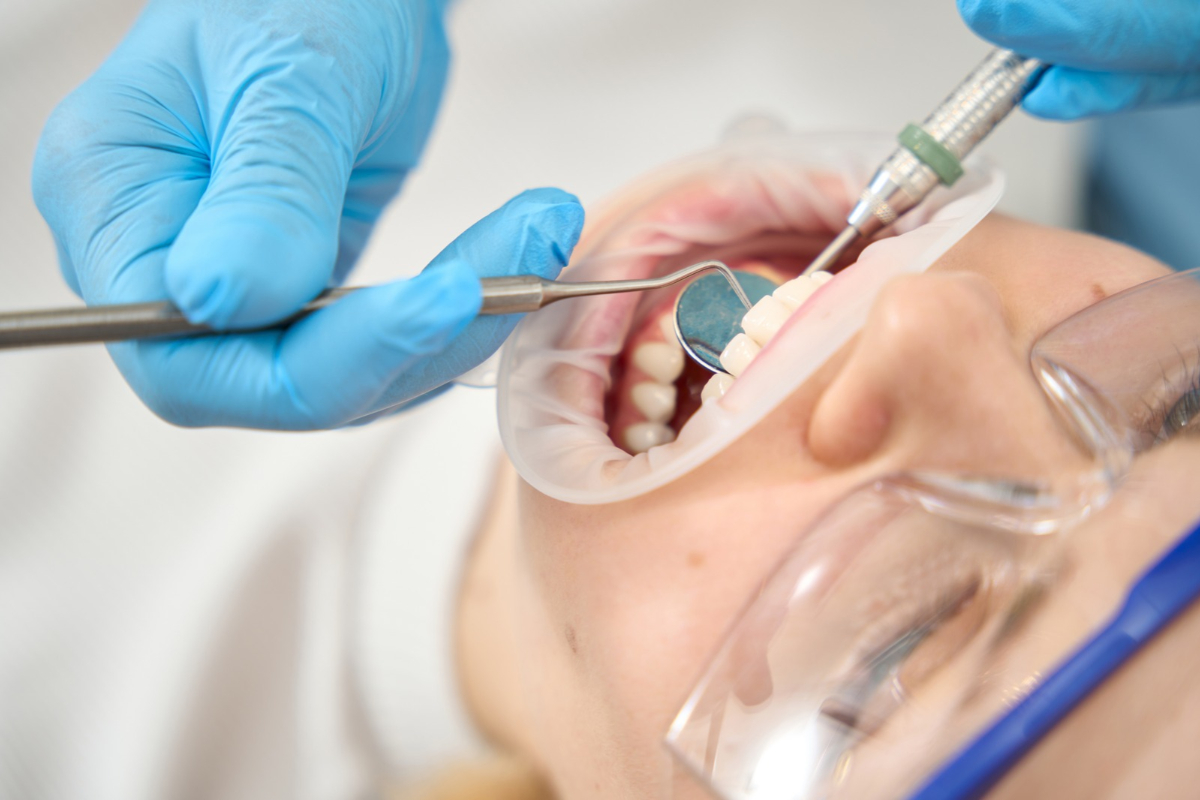
We start with a thorough exam and detailed imaging, including a CBCT scan that shows your jawbone in three dimensions. We check bone density and gum health, talk through your medical history, and build a treatment plan. If something needs attention first, such as gum disease or thin bone, we will tell you before any surgery is scheduled.
The Dental Implant Surgery Process
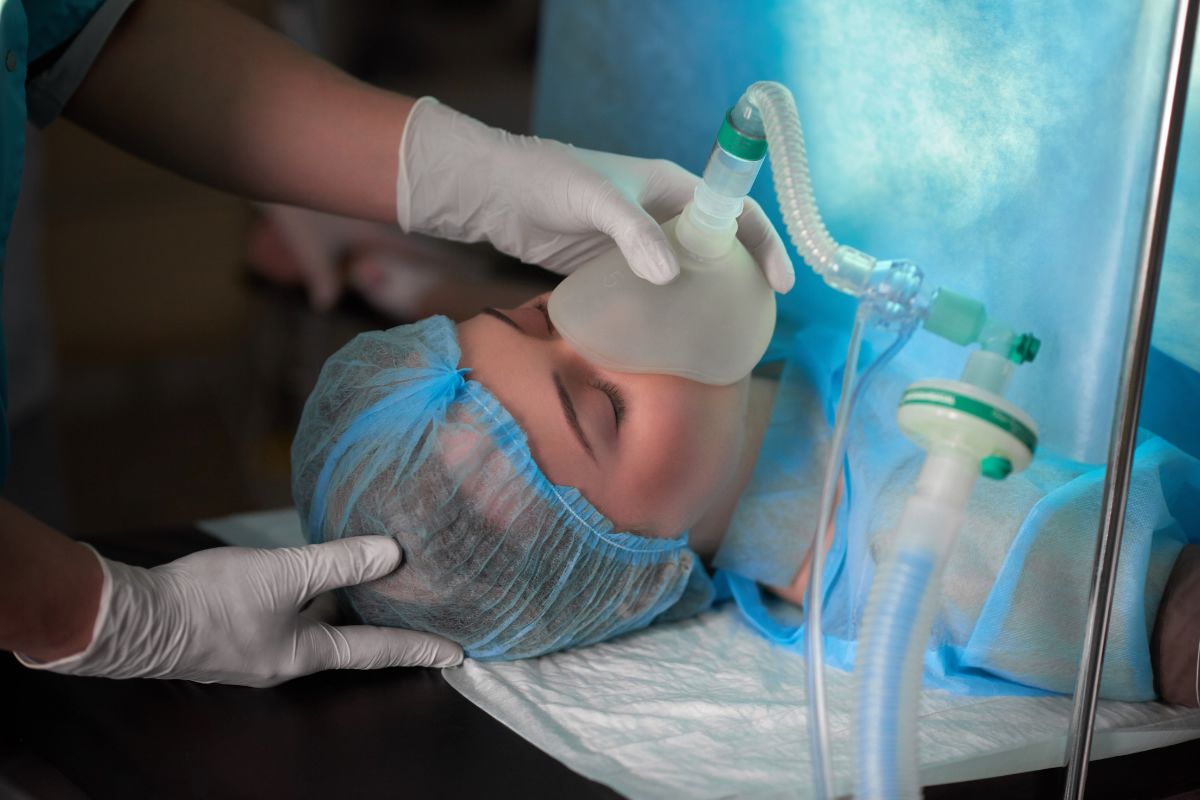
The implant is placed into the jawbone precisely where the plan calls for it. The area is numbed with local anesthesia, and sedation can be provided so you stay relaxed. Most patients report pressure rather than pain. You will usually leave with a temporary tooth while the implant heals, so you are not walking around with a gap.
Does Implant Surgery Hurt Afterward?
Expect some tenderness and swelling for a few days, which usually responds well to over-the-counter pain relievers and cold compresses, as directed by your dentist. We give you written aftercare instructions, and you can call us with any questions. Sutures are typically removed about two weeks after surgery.
How Long Does Healing Take?
This is where patience matters. Over the following months, the bone grows around the implant in a process called osseointegration, which is what makes an implant so stable. The timeline typically looks like this:
● About 2 weeks: sutures are removed, and we check the area
● About 10 to 12 weeks: an X-ray confirms the bone has healed, and impressions are taken for your permanent tooth
● About 2 to 4 weeks later: an abutment and your custom crown are placed, matched to your natural teeth in color, shape, and function
Every mouth heals differently, so your own schedule may vary.
Dental Implant Success and Longevity
Our website cites an initial success rate of about 98%, and about 90 to 95% after ten years. With good care, implants can last for decades. Implants also help protect your jawbone. Without a tooth root, up to a quarter of the bone volume can be lost within the first year, and an implant helps stimulate the bone to prevent that.
Who Will Perform My Implant?
Dr. Geoff Gwynn has completed advanced implant dentistry training at the Zimmer Institute and brings extensive experience in general, cosmetic, and implant dentistry. His IV sedation certification and Advanced Cardiac Life Support (ACLS) training further reflect his commitment to patient safety and comfort. Alongside him, Dr. Conor Hughes takes a gentle, patient-focused approach, helping you feel at ease throughout your treatment, especially if dental visits make you nervous.
At Aesthetic Dental Group, your entire dental implant journey, from initial planning and implant placement to your final restoration, takes place under one roof. You work with a familiar dental team throughout the process, without the added stress of coordinating appointments between multiple practices.
Book a consultation with Aesthetic Dental Group in Uniontown, PA, or schedule an appointment online.