When you have lost several teeth, or most of them, the word dentures can bring up a lot of questions. Do I need a full denture or a partial? Will it look natural? How long will it last? What is it actually like to wear one?
The answer depends on how many natural teeth you have left. A full denture replaces all the teeth in the upper or lower arch. A partial denture fills the gaps when some healthy natural teeth remain. An exam and X-rays will confirm which one fits your situation.
Full Dentures vs. Partial Dentures
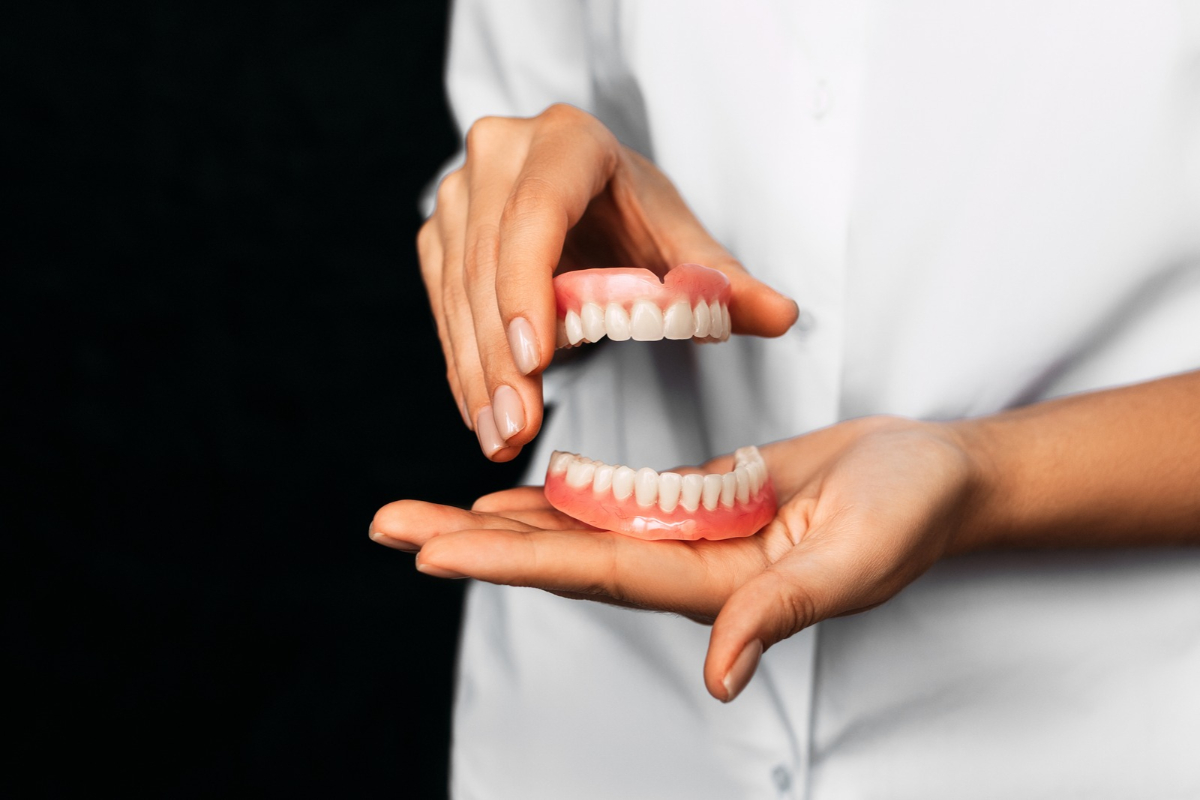
Full denture: A gum-colored base with a complete set of replacement teeth that rests on the gums. It is used when all teeth in an arch are missing or need to be removed.
Partial denture: A replacement plate with several teeth that fits around your remaining natural teeth. It is removable and helps keep neighboring teeth from drifting into the gaps.
Partials are often presented as a lower-cost alternative to implants, crowns, or bridges, while full dentures suit people who are missing most or all of their teeth.
What to Expect During Your Visit
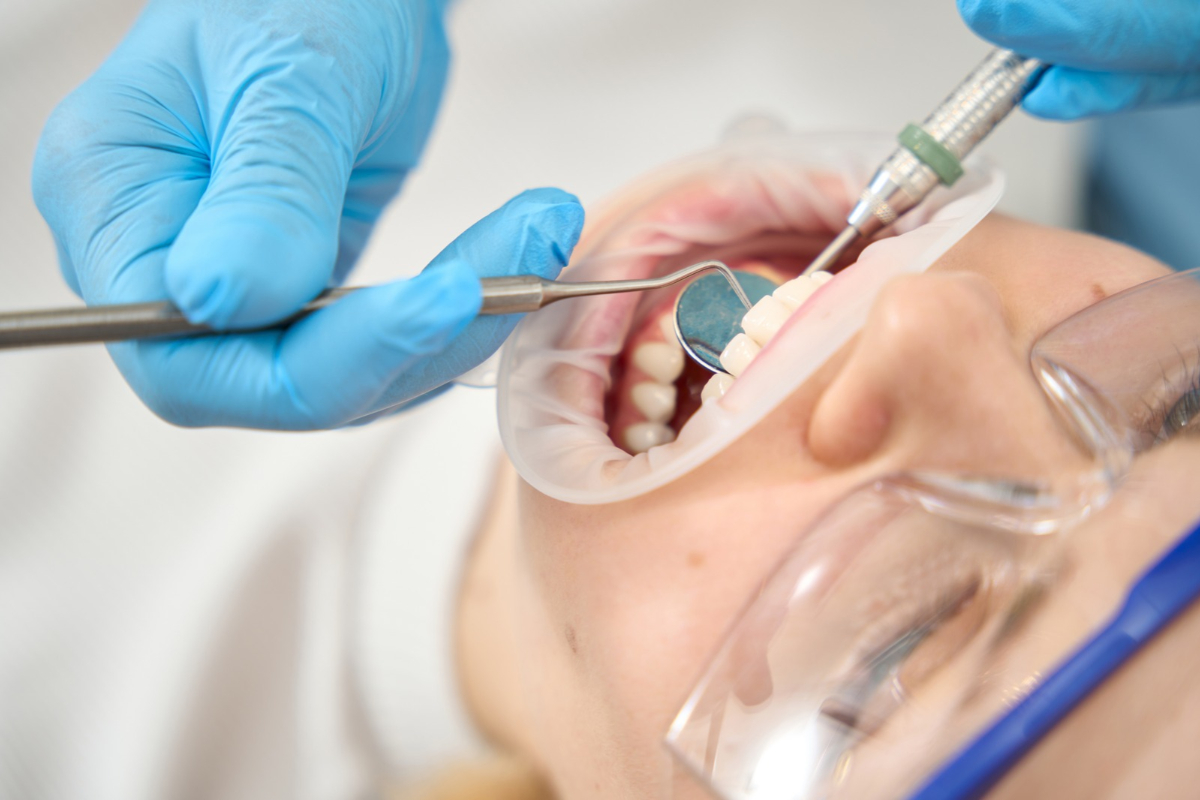
It starts with a consultation, where we take X-rays and impressions. Sometimes decayed or loose teeth must be removed first. The impressions go to a dental lab where your custom denture is made. You then return for a fitting, and we adjust it so it feels comfortable and looks natural. We finish with care instructions.
Dr. Geoff Gwynn and Dr. Conor Hughes handle these evaluations together. Dr. Gwynn’s general dentistry experience, including his residency in the U.S. Air Force, helps him develop the best long-term plan, and Dr. Hughes is known for his patient, gentle approach with people who may feel self-conscious about tooth loss.
Adjusting To Life With Dentures
Expect an adjustment period of a few weeks. Speaking and eating may feel different at first, and mild gum soreness is common while tissues adapt. These things usually settle down. We schedule follow-up visits to fine-tune the fit.
● Start with soft foods and cut food into small pieces
● Practice reading aloud to get used to speaking
● Clean your dentures daily and remove them at night as directed
● Keep up with your check-ups so we can monitor your gums and fit
How Long Do Dentures Last?
With good care, dentures typically last about five to seven years. Your jawbone gradually changes shape after tooth loss, so dentures may need relining or replacement to keep a good fit. If yours has begun to feel loose, it is worth having it checked.
Are Implants A Better Option?
Some patients start by asking about dentures and later choose implant-retained dentures, which snap onto implants placed in the jaw. They are more secure than conventional dentures and do not rely on adhesive. Implants involve minor oral surgery and a longer timeline, so they are not right for everyone. Dr. Gwynn, who holds Zimmer Institute implant dentistry certification, can walk you through whether implants make sense for you.
Smile Confidently Again With Natural-Looking Dentures
Modern dentures use porcelain or ceramic teeth and are made to fit your mouth, so they can look quite natural. The goal is a smile that looks like yours.
Book a consultation with Aesthetic Dental Group in Uniontown, PA, or schedule an appointment online.